How to detect mold behind walls in my Orlando home?

May 11, 2026

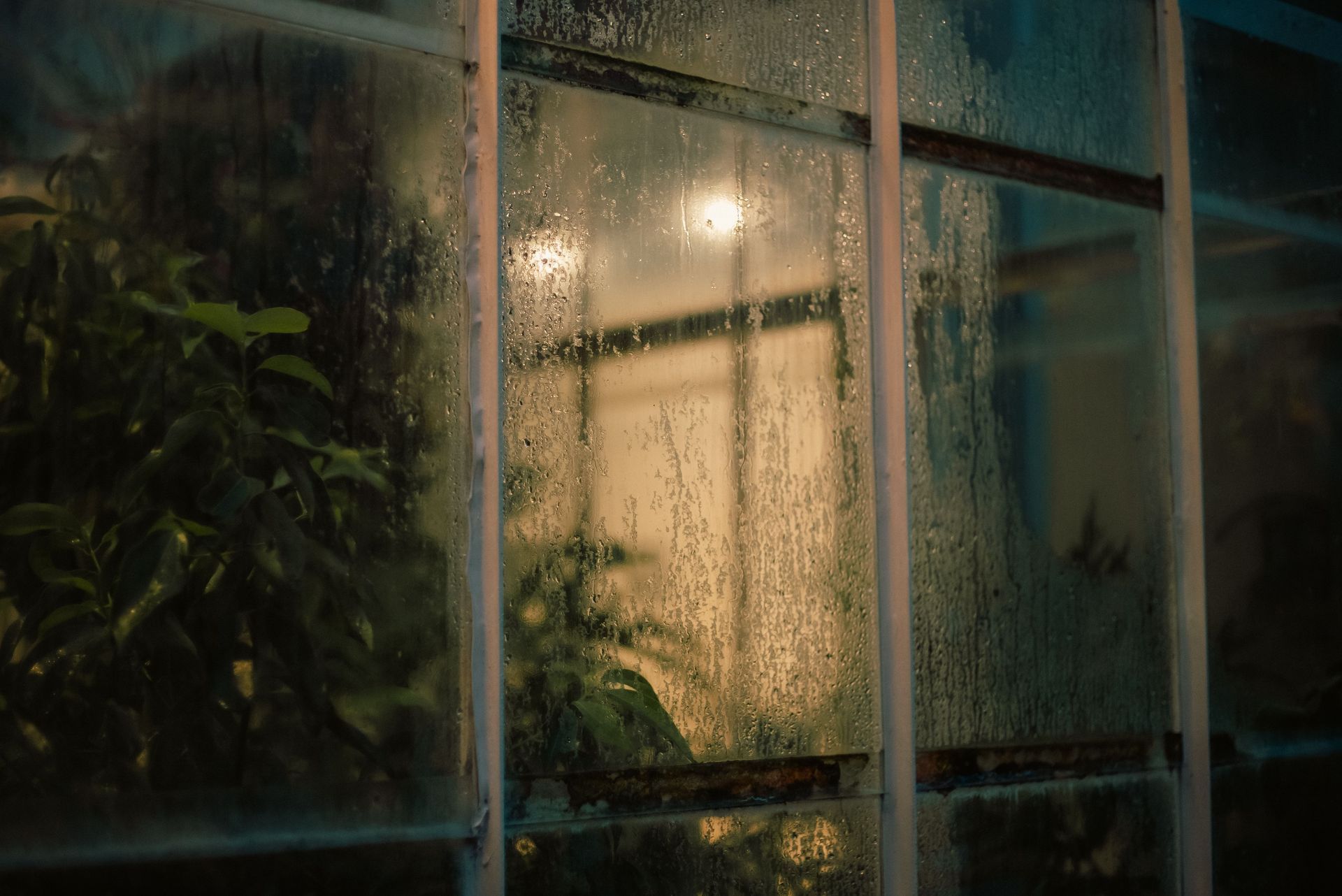
Ever thought about what might be hiding behind your home’s walls in Orlando? Mold can sneak up on you, affecting your air quality and health. It’s important to know how to spot mold behind walls in your home. This guide will help you keep your home safe and healthy from mold.

Key Takeaways

  • Visual indicators like wall discoloration can signal hidden mold.
  • A persistent musty odor often points to mold growth behind walls.
  • Respiratory issues and allergies are common health symptoms linked to mold.
  • Infrared technology and moisture meters are non-invasive methods for mold detection.
  • Professional mold inspection specialists in Orlando can accurately identify and test for mold.


Signs of Mold Behind Walls in Orlando Homes

Finding mold behind walls in Orlando can be tough. But, homeowners can spot signs of mold. Knowing these signs helps keep homes healthy.


Visual Indicators

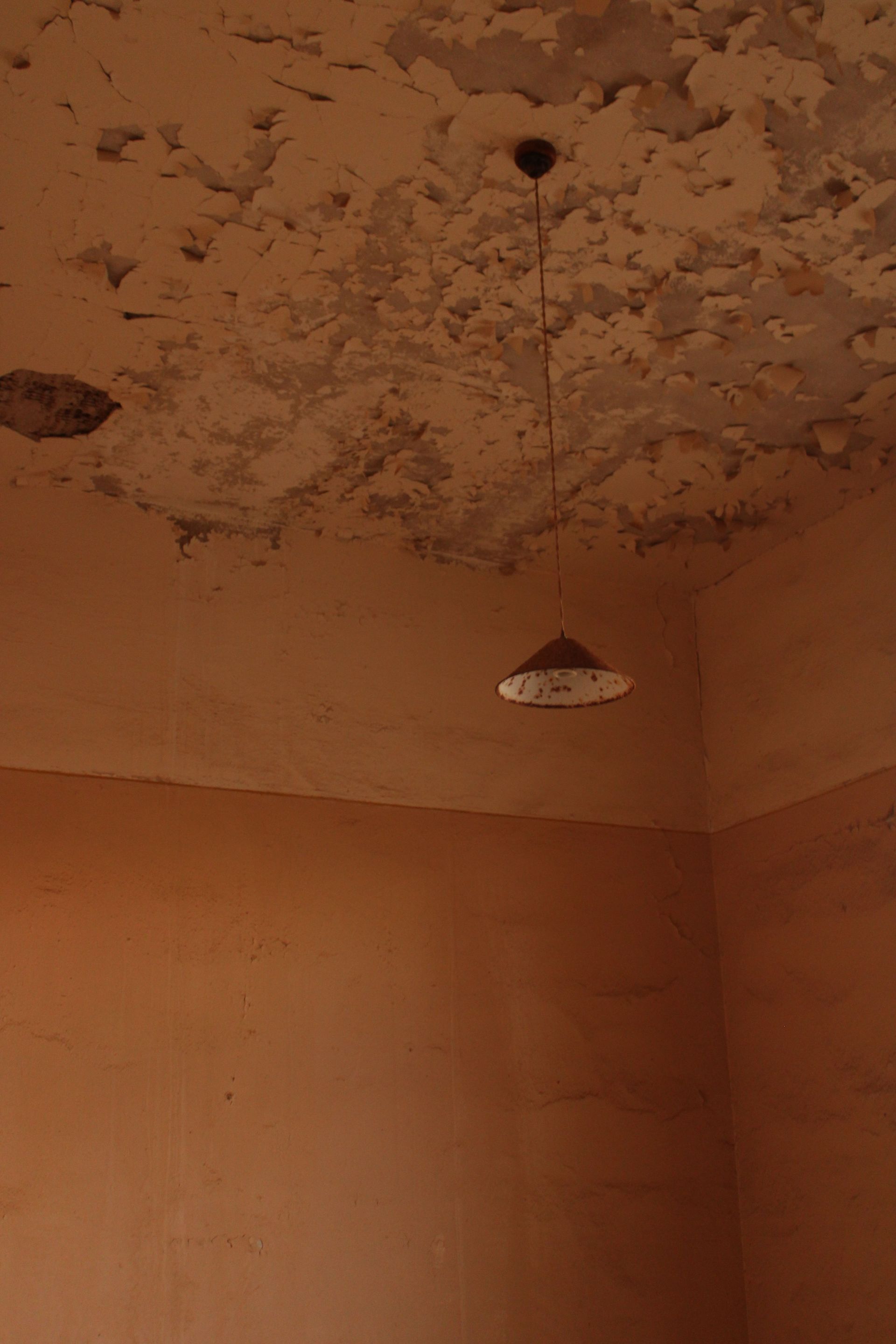
Discoloration or staining on walls is a clear sign of mold. Paint or wallpaper that peels or bubbles also points to moisture and mold. It’s key to watch for these signs to tackle mold quickly.


Musty Odor

A musty smell is another big clue. Even if you can’t see mold, a damp smell can mean it’s there. This smell often means mold is growing behind walls or under floors. Catching this smell early can lead to fixing the problem sooner.


Health Symptoms

Health issues can also show mold is present. People might get more allergies, breathing problems, skin issues, or asthma. These problems can get worse if mold spores are breathed in. So, finding where mold is, like in Orlando walls, is very important.


Non-Invasive Mold Detection Methods

Finding mold behind walls without harming your home is key. Non-invasive methods help spot problems without damage. They use advanced tech for a quick and gentle check.


Infrared Technology

Infrared tech uses heat images to find moisture in walls. Moisture often means mold is growing. This method lets experts find mold spots without tearing down walls.


Moisture Meters

Moisture meters are also useful. They measure moisture in walls to find damp spots. This tool gives quick results, helping to inspect homes without damage.


Getting Professional Help for Mold Detection

If you think there’s mold behind your walls, getting help from experts is key. They can find and fix mold problems accurately. Orlando mold inspection specialists offer detailed checks to make sure mold is found and fixed right.


Orlando Mold Inspection Specialists

Experts in mold inspection have the tools and know-how to tackle mold issues. They do thorough checks and use special methods like air sampling to find mold. By using Orlando mold inspection specialists, you get a careful check that keeps your home safe.


Mold Testing for Walls in Orlando

Testing for mold in walls in Orlando uses special methods to find hidden mold. Experts might use swabs and advanced tools to see how much mold there is. This testing not only finds mold but also finds out why it’s there, helping to fix the problem for good.


Conclusion

Finding mold behind walls in Orlando homes is tough because of the high humidity. Homeowners need to stay alert and take action to avoid health risks and damage. Spotting signs like mold, bad smells, and health issues is the first step.


For finding mold without damaging walls, tools like infrared tech and moisture meters are vital. They help spot hidden mold. But, professional mold detection services in Orlando offer a deeper check, making sure no spot is missed.


Whether you try to find mold yourself or get help from mold remediation experts, acting fast is key. Quick action to remove mold keeps homes safe and healthy. Being proactive and acting quickly is essential for a mold-free home.
May 12, 2026
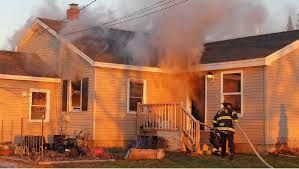
A fire’s aftermath isn’t only charring—heat weakens framing, soot and smoke penetrate surfaces, and firefighting water can drive mold and hidden deterioration. Learn how damage is assessed, what makes fires more severe, health impacts, and why professional restoration starts with a thorough inspection.
May 12, 2026
House restoration brings a property back to its original period look—repairing structure, windows, woodwork, and finishes with historically accurate materials while protecting architectural integrity. Explore benefits, common projects, restoration vs. renovation, and why authenticity matters for older American homes.
May 11, 2026
After a fire, porous drywall can trap soot, odors, and residues that affect indoor air. Learn how dry, wet, and protein smoke differ, when replacement beats cleaning, and proven restoration steps—including HEPA vacuuming, chemical sponges, deodorizing, and pro assessments aligned with IICRC guidance.
May 11, 2026
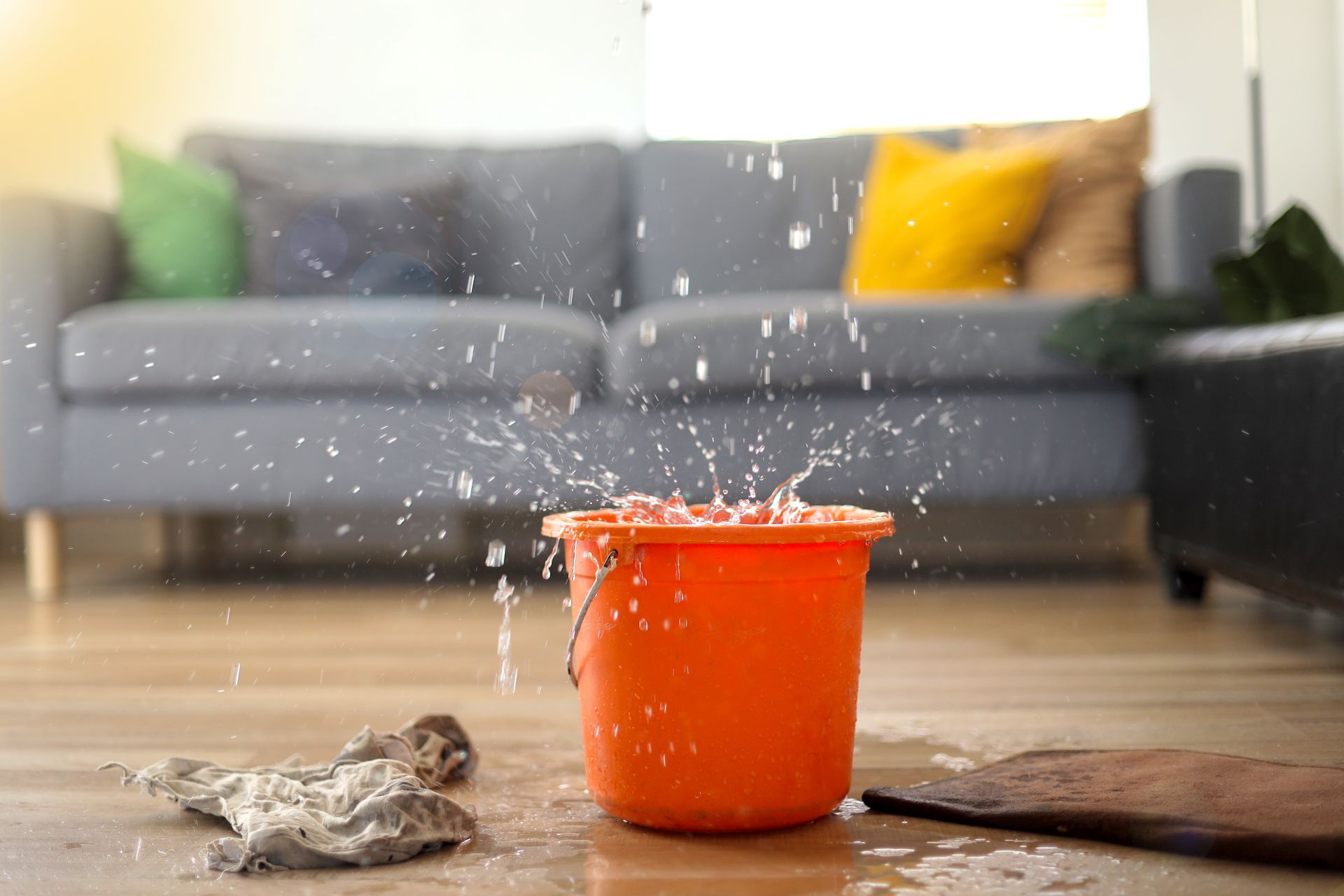
Did you know water can weaken a ceiling in just a few hours? Knowing when water damage starts is key. The time it takes for a ceiling to collapse depends on the material, leak size, and humidity. For example, big leaks can make a ceiling fall suddenly. This is very dangerous. The time it takes for a ceiling to dry out varies. It can be a few days or weeks, depending on the material and humidity. It’s very important to act fast. Quick action can stop damage and prevent mold. Key Takeaways The time for water to damage a ceiling can range from a few hours to a few days, influenced by factors like the extent of the leak and humidity levels. Complete drying of a ceiling may take several days to weeks after a leak, depending on severity and material. Severe leaks can cause sudden ceiling collapse, posing significant safety hazards. Quick identification and containment of leaks are crucial to prevent structural damage and mold. Older ceilings with asbestos materials can pose health risks if they collapse due to water damage. Understanding the Impact of Water Damage on Ceilings Water damage can severely harm ceilings. It can cause materials to deteriorate and lose strength. It’s important to spot ceiling damage early to avoid bigger problems. Homeowners should watch for signs of ceiling collapse. Look for sagging, water stains, mold, and a musty smell. Drywall and plaster are especially at risk because they soak up water fast. The effects of water damage go beyond just looks: Water-damaged ceilings can be dangerous, risking collapse and injury or death if not fixed fast. They can also become mold and mildew breeding grounds, causing health issues and allergies. Water damage can weaken your home’s structure, leading to cracks, warping, and rotting. Moisture encourages mold growth, worsening health problems and damage. Ignoring damage can make repairs much more costly over time. Given these risks, it’s crucial to tackle water damage quickly. This helps keep your ceiling strong. For big problems, getting help from water damage experts is a good idea. Ceiling Collapse Timeline Figuring out when a ceiling might collapse due to water damage depends on several factors. These include the building’s age, construction quality, past maintenance, and how much water got in. Often, a water-soaked ceiling can fall apart in months or a few years if not fixed. Other issues like foundation problems, weak beams, or too much insulation can make a ceiling collapse sooner. Knowing the signs of a ceiling about to collapse is key. Look out for sagging, cracks, water spots, or mold. These signs mean trouble and can predict when a ceiling might collapse. For example, sagging ceilings often mean water damage from leaks or bad plumbing. This makes it urgent to act fast. The materials used and their quality also play a big role. Stronger materials and good upkeep can hold up longer against water damage. But, weaker materials will break down quicker with leaks. As water weakens the ceiling, the risk of collapse grows. Regular checks and upkeep, especially in older buildings, can lower the risk of ceiling collapse. Owners and renters should watch for signs like peeling paint or drafts. Fixing these problems quickly can help keep the ceiling safe for longer. Preventing Ceiling Collapse from Water Damage Preventing ceiling collapse from water damage is possible with quick action and regular maintenance. Water damage can show up in hours to days. Mold, harmful to health, can grow in 48 hours if moisture stays high. Use dehumidifiers and ensure good air flow to reduce moisture. Check areas like attics and basements often for water damage. It’s smart to check your roof for damaged shingles that can leak. Regular roof checks, twice a year, can stop big problems. Slow leaks and plumbing issues like sweating pipes can also cause damage. Fixing plumbing and ensuring bathroom seals are tight can help prevent leaks. In case of water damage, turn off the main water and call a plumber. Secure the area and let water drain through a small hole. Drying the area, usually in 24 to 48 hours, is key to avoiding ceiling collapse. By following these tips, homeowners can keep their homes safe and avoid expensive repairs. Conclusion Knowing why ceilings collapse from water damage is key to stopping it early. Rain, bathroom leaks, and roof damage are common culprits. Spotting signs like water stains and cracks is crucial for quick action. Water damage can ruin ceilings and walls and even cause mold. Mold can grow fast, leading to health issues. Fixing leaks quickly and drying areas fast is vital to avoid these problems.
May 11, 2026
Stop mold before it spreads: fix leaks, improve ventilation, run exhaust fans, and control humidity. Learn when DIY cleanup works versus calling pros with proper equipment—and get mold removal and remediation help from DryFirst across Orlando, Merritt Island, Kissimmee, Melbourne, and Cocoa Beach.
Hiring a Water Damage Restoration Service in Orlando
May 11, 2026
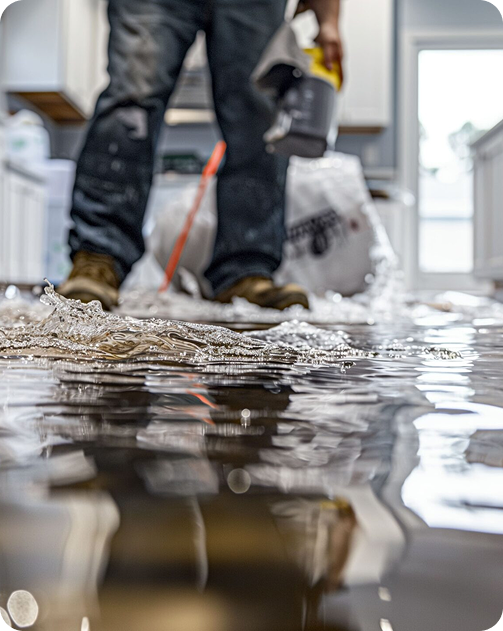
After floods or leaks, fast professional water cleanup limits structural harm and mold risk. Dry First explains extraction, drying with air movers and dehumidifiers, antimicrobial treatment, debris removal, insurance documentation, and certified crews—serving Orlando, Cocoa Beach, and Melbourne, Florida.
The Basics of Water Damage Restoration in Brevard County
May 11, 2026
Professional water damage restoration from inspection and extraction through structural drying, sanitizing, mold remediation, and repairs—helping protect your home from hidden mold and further damage. Serving Orlando, Cocoa Beach, Melbourne, Palm Bay, and Brevard County; call DryFirst.
May 11, 2026
Black mold needs more than bleach—target spores and moisture with proper drying, containment, and professional biocide treatment. Compare natural cleaners, typical remediation costs, exposure symptoms, required safety gear, and expert removal from DryFirst in Merritt Island and Brevard County.

Mold Removal and Remediation
By Michelle Snyman May 11, 2026
Mold removal focuses on clearing visible growth; mold remediation adds moisture control, containment, cleaning, and prevention so mold doesn’t return. Learn how each process works, how they differ, and how to choose the right approach for your property.
What happens if you live in a house with mold?
May 11, 2026
Living in a moldy home can trigger congestion, allergies, and breathing problems—especially if you have asthma—and moisture-driven mold can harm building materials. Learn risks, warning signs, moisture control, and when to call professional remediation.