What Damage Can Storms Cause?

June 26, 2026

This is a subtitle for your new post

Have you ever experienced the wrath of a powerful storm? The kind that rattles your windows, shakes the ground beneath your feet, and leaves you feeling a mix of fear and awe? Storms have a way of reminding us of nature's immense power and our own vulnerability in the face of it.

But beyond the spectacle, storms can cause significant damage, both to the structures we build and the environment we inhabit. The impacts of storms can be far-reaching and long-lasting, affecting communities, economies, and ecosystems.

In this article, we will delve into the various ways storms can wreak havoc, destroying homes, infrastructure, and natural landscapes. By understanding the potential damage caused by storms, we can better prepare and implement measures to mitigate their effects.


Key Takeaways

Storms can cause extensive damage to human-made structures and the natural environment.

Understanding the potential impacts of storms is crucial for preparedness and recovery efforts.

High winds can lead to physical damage to buildings, including roof damage and structural collapses.

Flooding is one of the most devastating consequences of storms, causing structural damage and posing health hazards.

Storms can create electrical hazards and increase the risk of fires.


Understanding Storm Categories and Their Potential Impacts

Storms can be categorized based on their intensity and characteristics. From thunderstorms to hurricanes, each type of storm presents unique risks and challenges for both human-made structures and the natural environment.

Thunderstorms, for example, can bring lightning, hail, heavy rain, and strong winds. These elements can lead to power outages, roof damage, and flooding. On the other hand, hurricanes are among the most powerful and destructive storms, capable of causing widespread devastation through high winds, storm surges, and rainfall.


Physical Damage to Buildings from High Winds

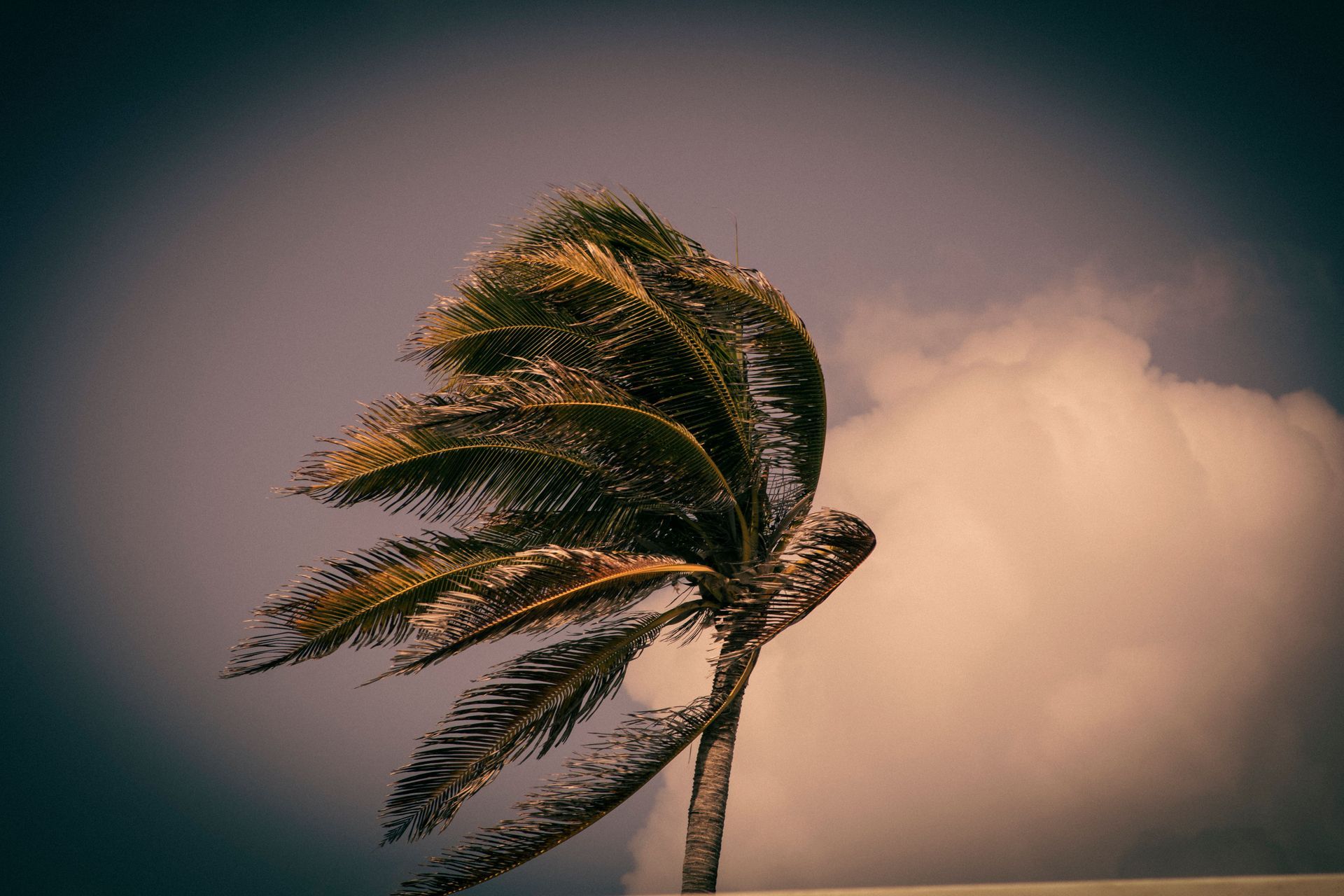
High winds are one of the most significant causes of structural damage during storms. When wind speeds reach a certain threshold, they can cause severe harm to buildings and infrastructure. Wind-induced damage can range from broken windows and fallen tree branches to complete structural collapses.

Buildings are particularly vulnerable to wind damage, as they are exposed to the full force of the wind. During a storm, the pressure exerted by the wind can cause a building's roof to lift and fly off, leading to structural instability and further damage. Additionally, flying debris, such as tree branches and other objects, can cause significant damage to buildings and vehicles.

The vulnerability of buildings to wind damage depends on various factors, including the age and condition of the structure, the design and construction materials used, and the local building codes and standards.


Flooding and Its Consequences

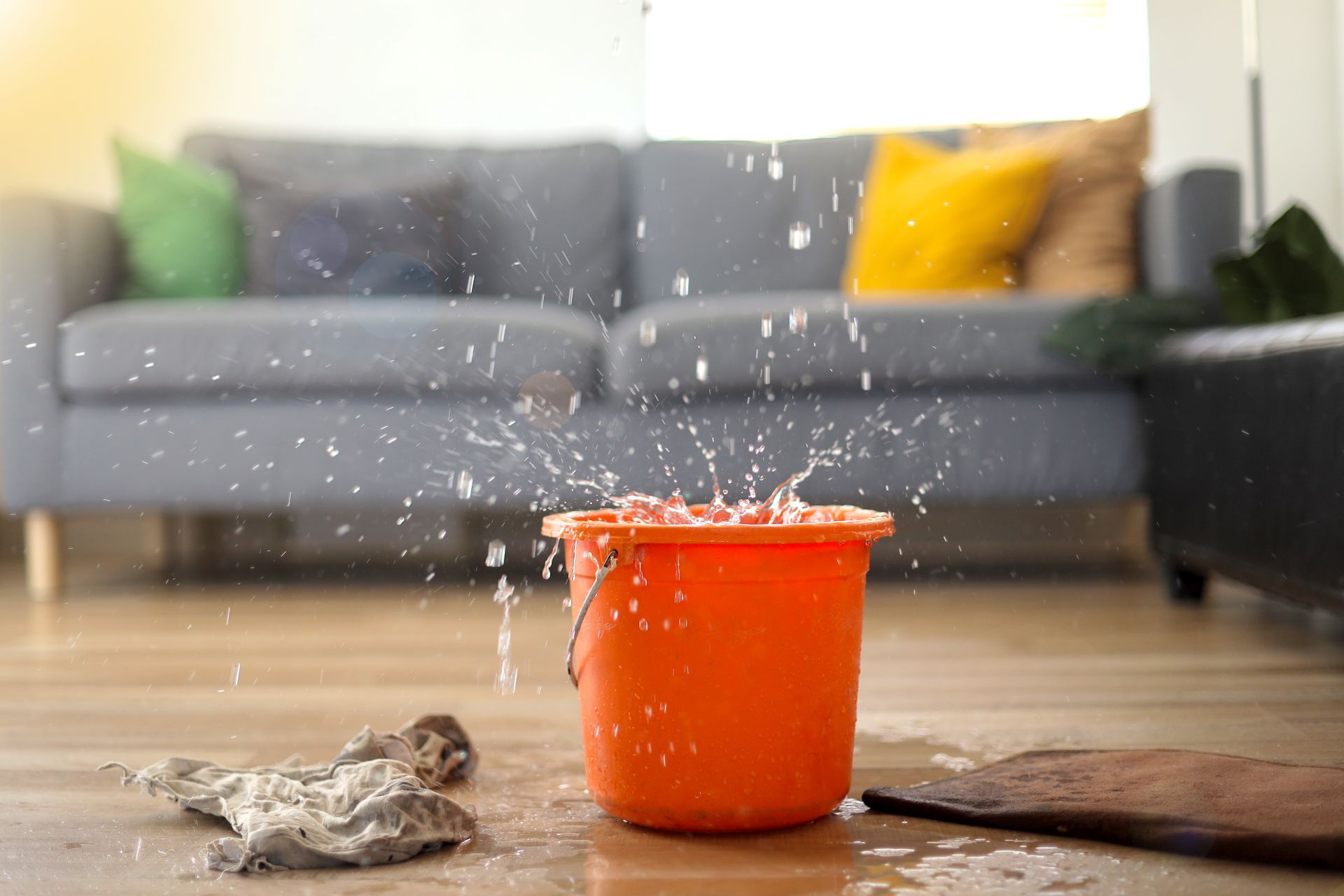
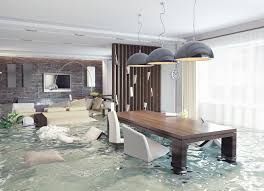
Flooding is another major consequence of storms, particularly those that bring heavy rainfall and storm surges. When the ground becomes saturated with water or when rivers and streams overflow their banks, flooding can cause widespread damage to homes, businesses, and infrastructure.

The consequences of flooding can be severe and long-lasting. Floodwaters can cause structural damage to buildings, erode soil, and deposit debris and sediment in their wake. They can also contaminate water sources, damage crops and livestock, and displace entire communities.

In addition to the physical damage, flooding can pose significant health hazards. Floodwaters can carry dangerous pathogens, chemicals, and pollutants, putting those who come into contact with them at risk of illness or injury.


Electrical Hazards and Fire Risks

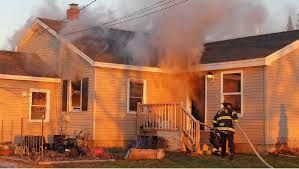
Storms can also create electrical hazards and increase the risk of fires. Lightning strikes can ignite fires, damage electrical systems, and cause power outages. Downed power lines can create electrocution risks for those who come into contact with them.

During storms, the risk of fire increases due to lightning strikes, downed power lines, and other electrical hazards. In some cases, the damage caused by a storm can lead to gas leaks, which can further increase the risk of fire.


Environmental Impact of Storms

Storms can have a significant impact on the natural environment. They can uproot trees, erode soil, and alter the course of rivers and streams. In some cases, storms can cause widespread deforestation and habitat destruction.

The environmental impact of storms can have far-reaching consequences for biodiversity and ecosystem health. The loss of vegetation can lead to soil erosion, increased runoff, and changes in local microclimates. In addition, the damage caused by storms can disrupt wildlife habitats and lead to the displacement or death of animals.


Economic Impact of Storms

The economic impact of storms can be significant, affecting businesses, industries, and local economies. Storms can damage infrastructure, disrupt supply chains, and cause widespread power outages, all of which can have a negative impact on economic activity.


Preparedness and Mitigation Strategies

Given the potential for significant damage and economic losses, it is crucial for individuals and communities to prepare for storms and implement strategies to mitigate their effects. This includes developing emergency plans and evacuation routes, reinforcing buildings and infrastructure, and monitoring weather forecasts.


Conclusion

Storms are among the most powerful and destructive natural phenomena, capable of causing significant damage to human-made structures, the natural environment, and economies. By understanding the potential impacts of storms and implementing effective preparedness and mitigation strategies, we can reduce the damage caused by these events and protect our communities.
By Michelle Snyman June 26, 2026
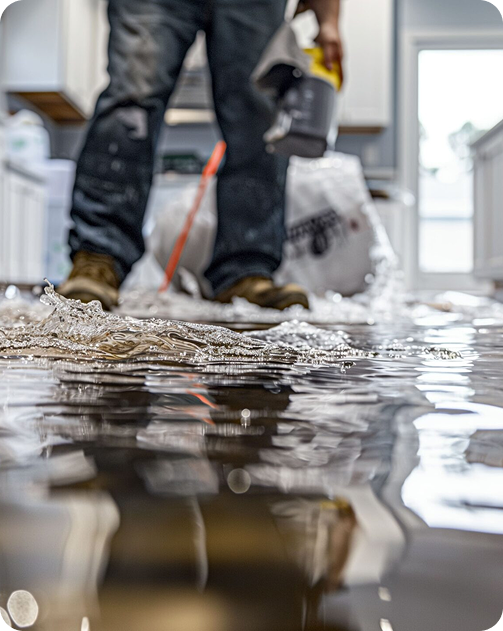
Legally speaking, landlords are typically held accountable for maintaining and protecting both your living space and belongings; renters typically put down a security deposit to cover any potential damages that occur to either party’s properties. Inspect the Area Your landlord should have an emergency plan in place for water damage caused by plumbing, storms or any other means. As a tenant, it’s your responsibility to become familiar with this plan and how it might impact you and your belongings; read your lease agreement as this should explain how severe maintenance problems will be handled. One way to prevent water damage in your apartment is to conduct a walk-through inspection with your landlord before moving in. Doing this may uncover issues which you can document for potential security deposit refunds or get fixed before moving day arrives. Pre-inspections must cover every area of a rental unit, from appliances such as stoves and refrigerators to floors, walls and ceilings – paying particular attention to cracks or signs of moisture such as water marks on walls or floors that indicate flooding or leakage; additionally it’s wise to test out peepholes as well as check locks and latches to make sure everything is secure. Be wary of any sudden health issues among your family, particularly respiratory ones, that could be the result of mold growth due to leakage or flooding. Also take note of any strange smells coming from bathrooms, kitchens or living spaces as these could indicate that sewage back up is occurring – if you detect these things contact a professional right away to minimize extensive and costly damage to both your apartment as well as belongings. Determine Who is Accountable If your home or rental property has experienced severe water damage, taking immediate action is vital to its restoration and recovery. Dry First Inc provides expert inspection services that will assess any property damages and ensure they are covered by insurance companies. When identifying who is accountable for water damage in Florida, the first step should be identifying its cause. This may require inspecting the damage itself and reviewing your condo policy as well as speaking to an adjuster or public adjuster. It is also essential that communication between you and your HOA be maintained throughout this restoration process to ensure compliance with all community guidelines and regulations. Tenants may be held liable for water damage depending on their lease agreement and state laws. Some landlords hold tenants liable if damage occurred as a result of neglectful water use by tenants, including burst pipes caused by setting winter temperatures too low or blockages caused by items flushed down toilets. If a property becomes uninhabitable, landlords may be responsible for providing temporary accommodations to their tenants. Homeowner’s insurance may cover this cost; landlords should review their condo policy to understand which items are covered and which costs will have to be covered out-of-pocket; they should also communicate with tenants to determine who may bear some responsibility in this matter. Shut Off the Water in Florida Water damage is one of the most widespread and destructive issues that can afflict an apartment, from furniture destruction and appliance failure, destroying electronics and expensive equipment, to mold growth in their absence. That is why tenants must understand their landlord obligations and rights in case their apartment floods, as this will help ensure a successful outcome. Floodwater damage can often be avoided through regular inspection and repairs of pipes and related systems, as well as by tenants checking their faucets, bathtubs and sinks for any signs of leakage and informing their landlord immediately should any issues arise. Landlords should require their tenants to perform periodic checks of these fixtures and to notify them as soon as any problems appear. Tenants must also understand how to shut off their home’s water supply in case of an emergency, even though this may seem like a low priority. Being prepared with knowledge on this front can save lives in the event of disaster; new homes in Florida typically come equipped with shutoff valves near street level that tenants should know how to locate themselves or call upon a plumber when necessary to turn off. Landlords should require that tenants keep a record of any water damage that occurs in their home and provide these documents to their insurance provider if filing a claim due to storm- or hurricane-related damage. This will enable insurers to assess if items damaged by weather events are covered, and ensure any associated costs for restoration of property are covered by those responsible. Move Your Valuables Burst pipes, leaky roofs, slow leaks from appliances and sinks that go undetected for months as well as toxic mold can all contribute to water damage in condos, leading to significant renovation costs quickly adding up as repairs and cleaning are needed. In addition, such leaks could potentially pose serious health hazards to its inhabitants. As the landlord, one of your first priorities should be to secure all valuables exposed to floodwaters by moving them to an alternate room within your apartment or storage unit. Furthermore, taking pictures and creating a list of damaged items will enable you to provide proof to insurance providers. Before meeting with an insurance representative to inspect the property, it is crucial that no cleaning or repairing efforts be attempted without first consulting them first. Otherwise, your claim could be denied or reduced significantly and any salvageable items discarded could lead to additional charges from them later. Landlords may face several difficulties when faced with flooding in a rental property, so understanding who is liable for repairs can help them make an informed decision on their next steps. It is also essential to note that Florida law provides tenants with certain rights such as the warranty of habitability which guarantees them a rental free from serious hazards. If your landlord refuses to make necessary repairs after a flood, you may want to consider moving out. Hiring the appropriate attorney may help negotiate with insurance companies for compensation that you deserve. Locate the leak. The first step is to locate the source of the leak. This may be difficult, as leaks can often be hidden behind walls or under floors. However, there are a few things you can do to help you find the leak. Look for signs of water damage, such as wet spots on the ceiling, walls, or floors. Listen for the sound of running water. Check for any loose or damaged pipes. Turn off the water supply. Once you have located the leak, you will need to turn off the water supply to the area. This will prevent the leak from getting worse and causing further damage. Repair the leak. Once the water supply has been turned off, you can begin to repair the leak. The specific steps involved in repairing a leak will vary depending on the cause of the leak. However, some common methods of repairing leaks include: Using a pipe repair kit. These kits typically contain epoxy resin and a hardener that can be used to seal small leaks. Replacing a damaged pipe. If the leak is caused by a damaged pipe, you will need to replace the pipe. This may require the services of a plumber. Installing a new faucet. If the leak is coming from a faucet, you may need to install a new faucet. Clean up the area. Once the leak has been repaired, you will need to clean up the area. This includes removing any water that has leaked and drying the area. You may also want to use a dehumidifier to help remove any moisture from the air. Prevent future leaks. Once the leak has been repaired, you can take steps to prevent future leaks. This includes: Inspecting your pipes regularly for signs of damage. Replacing old or damaged pipes. Installing leak detectors. Keeping your home well-maintained. Contact Your Landlord in Brevard County, Florida First and foremost, notify your landlord immediately of the water damage to prevent further complications and mold growth. Depending on its severity, removal of furniture, personal items and walls may be required in order to access and treat the area effectively; depending on whether or not there is rental insurance in effect this could potentially cover repairs as well. Landlords and tenants must understand their individual responsibilities to avoid disputes about water damage. A property owner should incorporate language into their lease agreement that clearly establishes who is liable for what, as well as how disputes will be settled between parties involved. Doing this will prevent issues down the road while making life simpler for all involved. Typically speaking, landlords are accountable for maintaining the structure and plumbing issues in rental homes and apartments they own or manage; tenants on the other hand are accountable for their own belongings and belongings lost due to flooding in a building they rent from; in such an instance you should be eligible to seek compensation either through renters’ insurance coverage or from the property owner’s insurer. As a renter, you can take steps to lower the risk of water damage by inspecting your rental unit on a regular basis and noting any areas which aren’t as clean or functional as they should be. Furthermore, make sure your landlord performs a walk-through prior to moving in so any issues can be quickly addressed by them. Florida law permits tenants to withhold rent payments until significant problems with their landlord have been addressed in a timely fashion. If this applies to you, written notification should be provided 12 days before the next rental payment due date.
By Michelle Snyman June 26, 2026
This is a subtitle for your new post
By Michelle Snyman June 26, 2026
This is a subtitle for your new post
By Michelle Snyman June 26, 2026
Straight-line winds are powerful gusts that often top 50-60 mph. They can cause more serious damage than tornadoes in most of the U.S. They come from thunderstorm downdrafts and can leave damage paths stretching for miles. This damage can impact homes and businesses, leading to environmental issues. People in areas prone to thunderstorms are especially at risk. If they live in mobile homes, their danger increases, as these structures can be badly hit by winds over 80 mph. Key Takeaways Strong winds exceeding 50-60 mph are often more damaging than tornadoes. Thunderstorm downdrafts generate these hazardous straight-line winds. Mobile homes face significant risks when wind speeds exceed 80 mph. Residential and commercial properties in thunderstorm-prone areas are at higher risk. Environmental impacts from windstorms can include deforestation and habitat disruption. Understanding Damaging Winds Damaging winds, also known as straight-line winds, come from thunderstorms. They can be faster than 50-60 mph. These winds often cause more damage than tornadoes in the US. The winds from storm downdrafts damage a lot. They can affect life and property. For example, mobile homes are in great danger from winds over 80 mph. Damaging winds include macrobursts and microbursts. Macrobursts cover large areas and can reach up to 90 mph. Microbursts are smaller but can be 100+ mph or more. Both types can cause significant property damage. Structural Damage to Buildings Strong winds can cause significant structural damage to buildings. This damage can range from broken windows and damaged roofs to complete structural failure. One of the most common types of wind damage is roof damage. High winds can lift and remove roofing materials, exposing the interior of the building to water damage. In more severe cases, the entire roof can be torn off, leading to widespread damage. Residential and commercial properties in thunderstorm-prone areas face the highest risks. Older buildings or those not designed to withstand high winds are particularly vulnerable. Modern construction codes often include wind resistance requirements to help protect buildings. Damage to Trees and Natural Landscapes Wind damage is not limited to human-made structures. Strong winds can also cause significant damage to trees and natural landscapes. Trees can be uprooted or have their branches broken by high winds. Uprooted trees can fall on buildings, vehicles, or power lines, causing additional damage and creating safety hazards. Fallen trees can also block roads and hinder emergency response efforts. Natural landscapes can be altered by windstorms. Deforestation and habitat disruption are common consequences of severe windstorms in forested areas. Impact on Mobile Homes Mobile homes are particularly vulnerable to wind damage. Unlike traditional homes, mobile homes are not built on permanent foundations and may not be designed to withstand high wind speeds. When wind speeds exceed 80 mph, mobile homes face significant risks. The entire structure can be lifted and moved by the wind, leading to catastrophic damage. Even at lower wind speeds, mobile homes can experience significant damage to their roofs, walls, and windows. Environmental Consequences Beyond the immediate physical damage, wind storms can have lasting environmental consequences. Deforestation caused by windstorms can increase the risk of soil erosion and alter local microclimates. Prevention and Mitigation Understanding the types of damage that strong winds can cause is the first step in mitigating the risks. Ensuring that buildings are constructed and maintained to withstand high wind speeds is crucial. This includes regular maintenance and inspection of roofs and windows. Conclusion Strong winds, particularly those associated with thunderstorms, can cause extensive and lasting damage. From structural damage to buildings and homes to impacts on natural landscapes, the effects of windstorms can be far-reaching. Understanding the types of damage that can be caused by strong winds and implementing appropriate prevention and mitigation strategies is crucial for communities in thunderstorm-prone areas. By taking proactive measures, we can reduce the impact of wind damage and protect our communities. 

By Michelle Snyman June 26, 2026
This is a subtitle for your new post
By Michelle Snyman June 26, 2026
This is a subtitle for your new post
By Michelle Snyman June 26, 2026
This is a subtitle for your new post
By Michelle Snyman June 26, 2026
This is a subtitle for your new post
By Michelle Snyman June 26, 2026
This is a subtitle for your new post
May 12, 2026
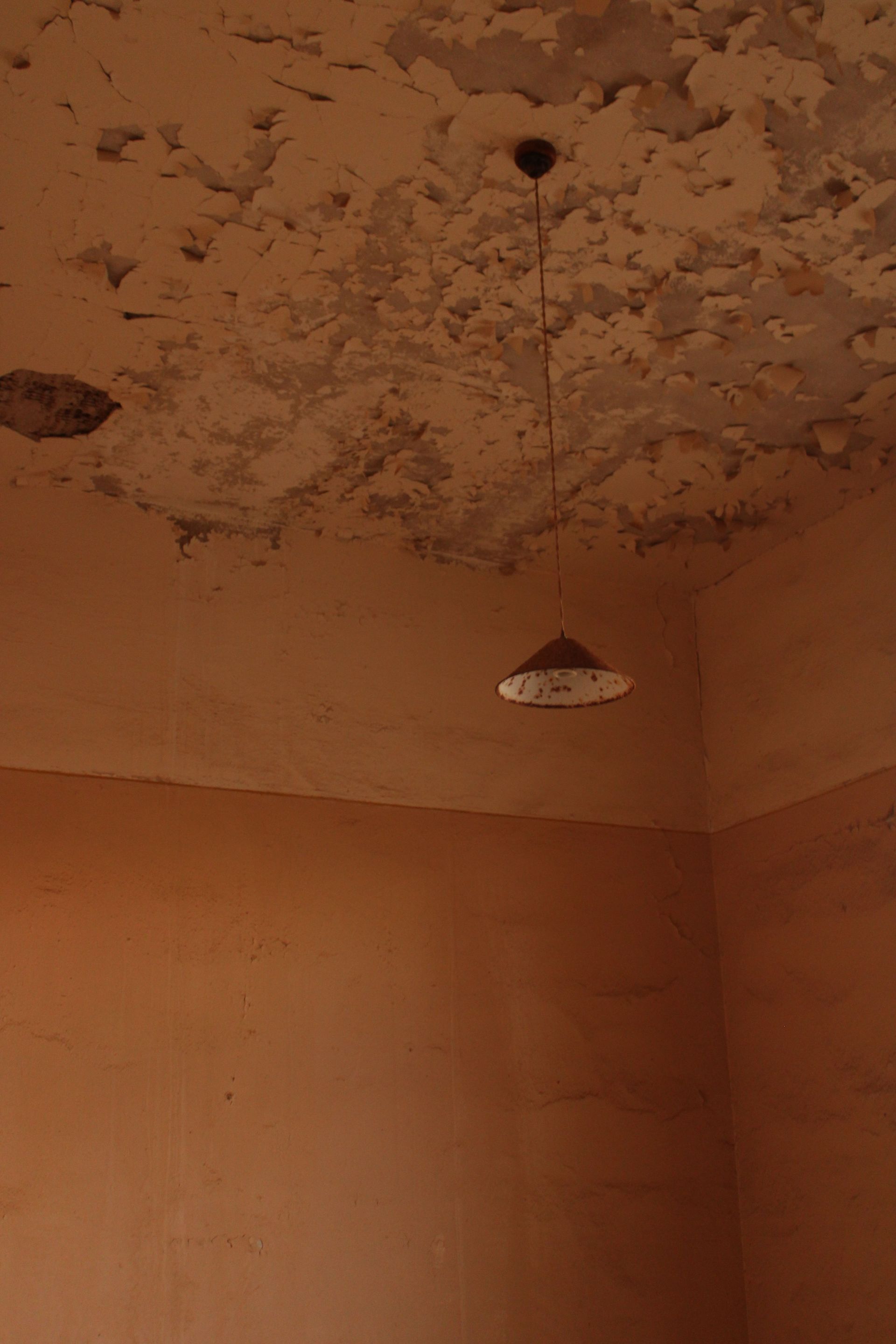
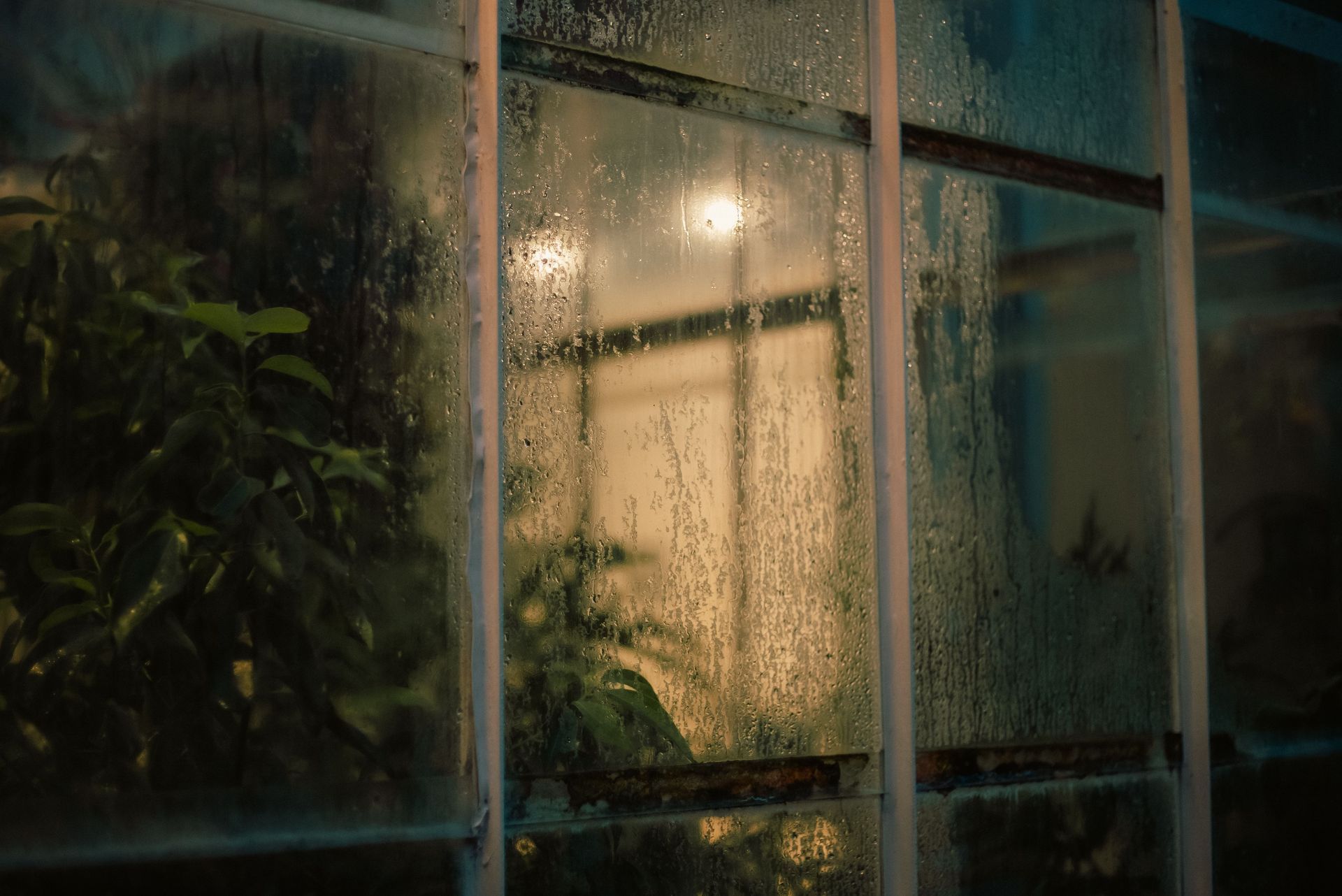
Sleeping in a water-damaged home may expose you to mold, contaminated materials, unstable structure, and electrical hazards—especially when moisture hides in walls and floors. Learn how severity affects safety, key risks, first steps to reduce exposure, and when professional drying and restoration should happen before