What kind of damage can strong winds cause?
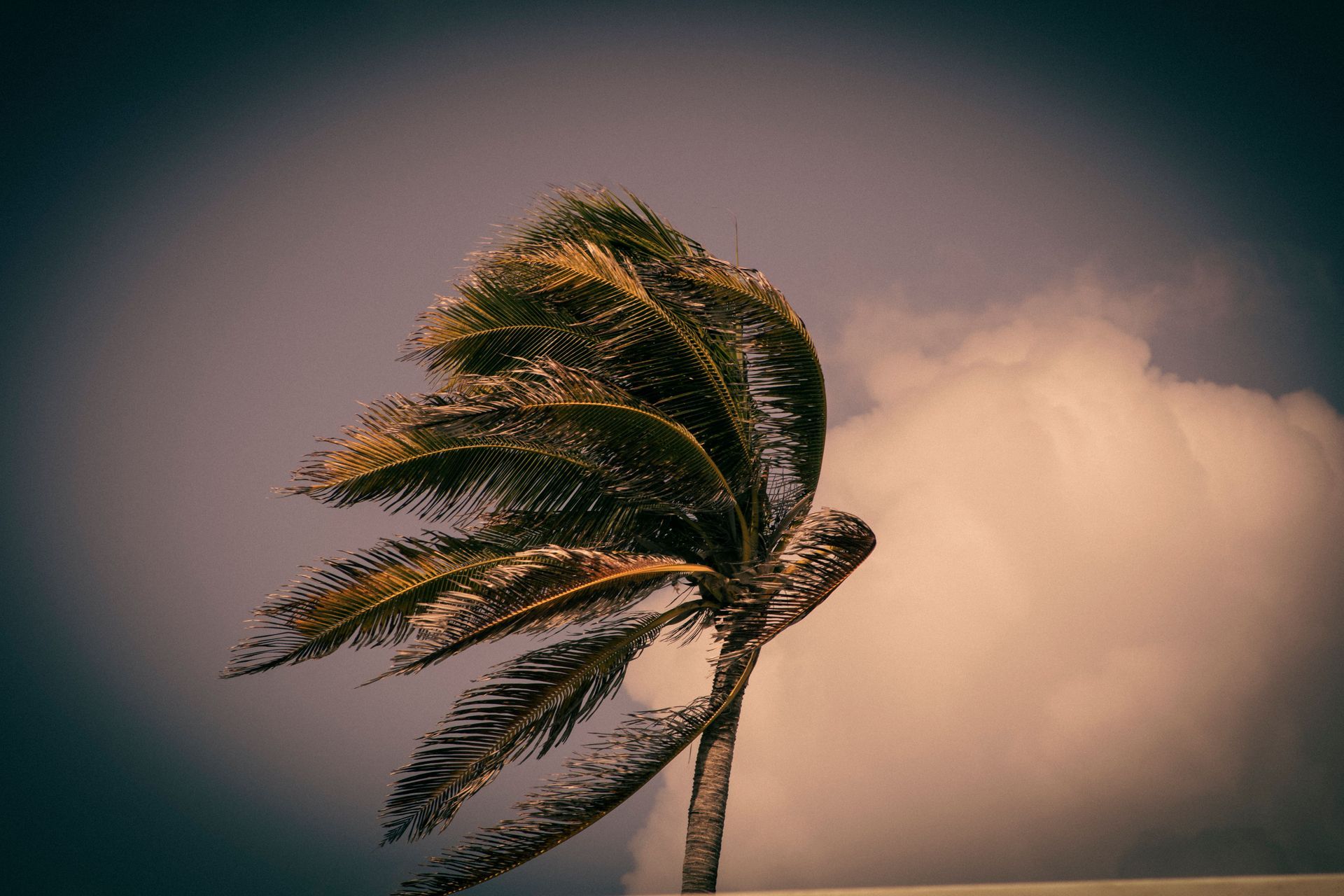
Straight-line winds are powerful gusts that often top 50-60 mph. They can cause more serious damage than tornadoes in most of the U.S. They come from thunderstorm downdrafts and can leave damage paths stretching for miles.
This damage can impact homes and businesses, leading to environmental issues. People in areas prone to thunderstorms are especially at risk. If they live in mobile homes, their danger increases, as these structures can be badly hit by winds over 80 mph.
Key Takeaways
Strong winds exceeding 50-60 mph are often more damaging than tornadoes.
Thunderstorm downdrafts generate these hazardous straight-line winds.
Mobile homes face significant risks when wind speeds exceed 80 mph.
Residential and commercial properties in thunderstorm-prone areas are at higher risk.
Environmental impacts from windstorms can include deforestation and habitat disruption.
Understanding Damaging Winds
Damaging winds, also known as straight-line winds, come from thunderstorms. They can be faster than 50-60 mph. These winds often cause more damage than tornadoes in the US.
The winds from storm downdrafts damage a lot. They can affect life and property. For example, mobile homes are in great danger from winds over 80 mph.
Damaging winds include macrobursts and microbursts. Macrobursts cover large areas and can reach up to 90 mph. Microbursts are smaller but can be 100+ mph or more. Both types can cause significant property damage.
Structural Damage to Buildings
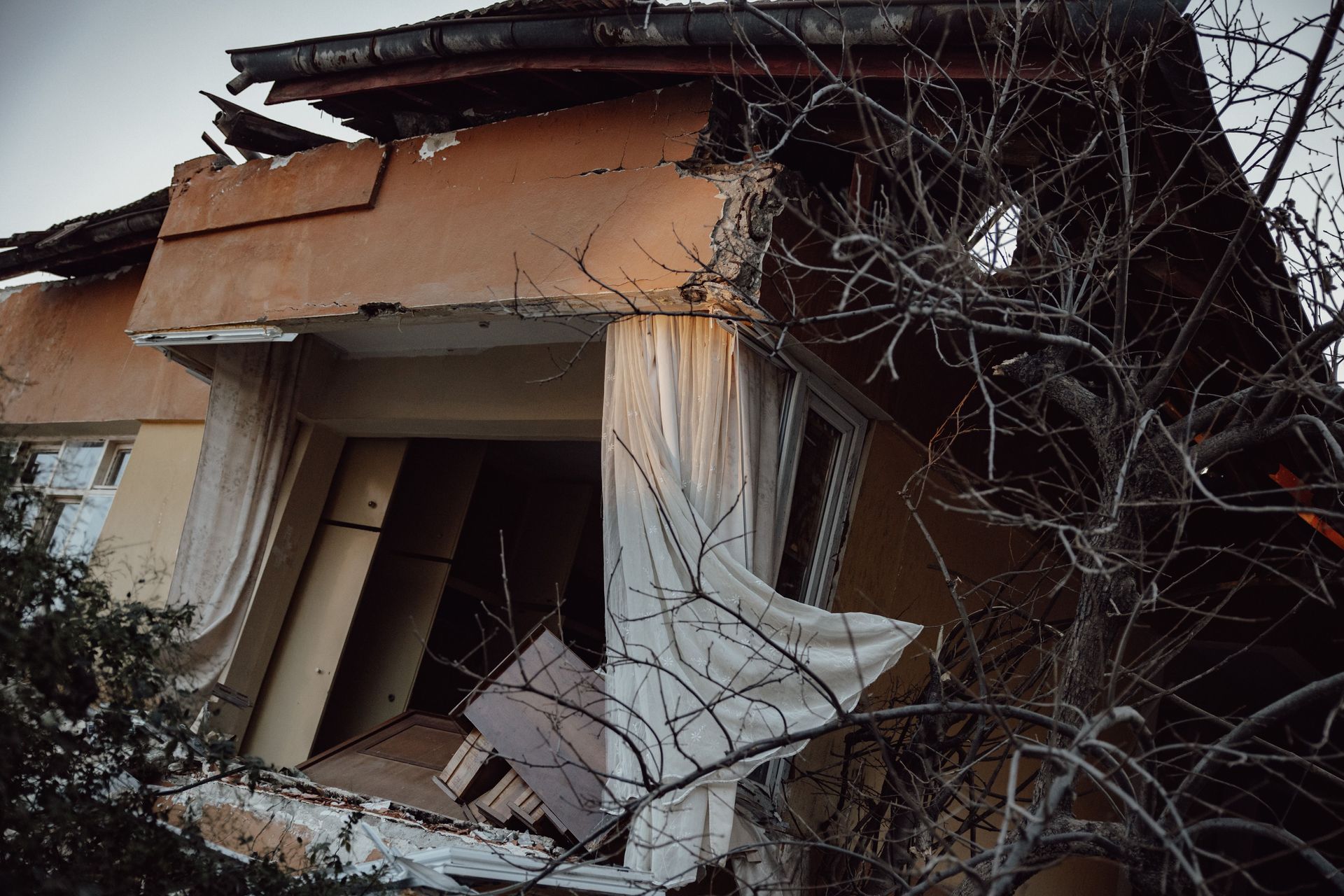
Strong winds can cause significant structural damage to buildings. This damage can range from broken windows and damaged roofs to complete structural failure.
One of the most common types of wind damage is roof damage. High winds can lift and remove roofing materials, exposing the interior of the building to water damage. In more severe cases, the entire roof can be torn off, leading to widespread damage.
Residential and commercial properties in thunderstorm-prone areas face the highest risks. Older buildings or those not designed to withstand high winds are particularly vulnerable. Modern construction codes often include wind resistance requirements to help protect buildings.
Damage to Trees and Natural Landscapes
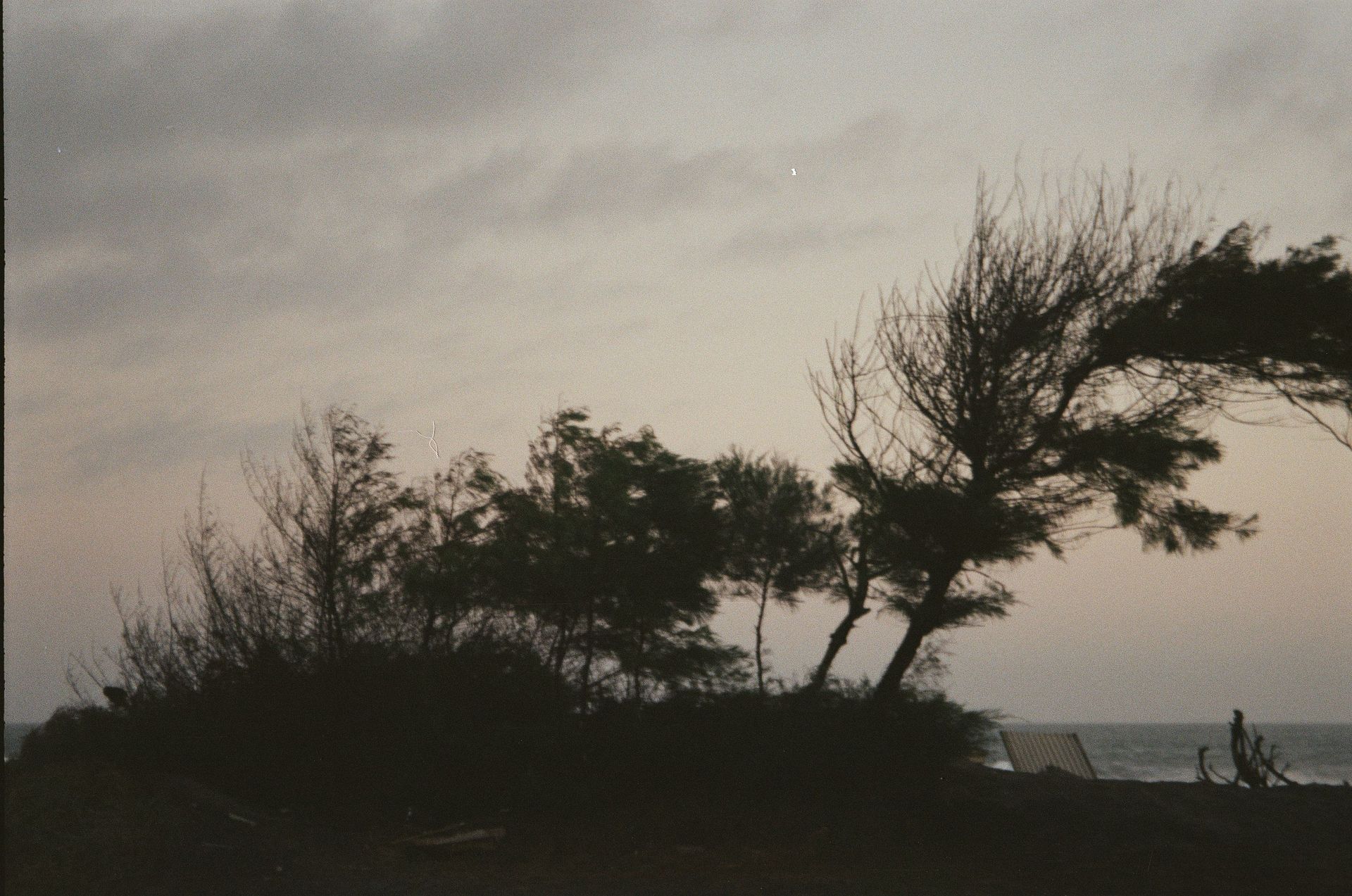
Wind damage is not limited to human-made structures. Strong winds can also cause significant damage to trees and natural landscapes.
Trees can be uprooted or have their branches broken by high winds. Uprooted trees can fall on buildings, vehicles, or power lines, causing additional damage and creating safety hazards. Fallen trees can also block roads and hinder emergency response efforts.
Natural landscapes can be altered by windstorms. Deforestation and habitat disruption are common consequences of severe windstorms in forested areas.
Impact on Mobile Homes
Mobile homes are particularly vulnerable to wind damage. Unlike traditional homes, mobile homes are not built on permanent foundations and may not be designed to withstand high wind speeds.
When wind speeds exceed 80 mph, mobile homes face significant risks. The entire structure can be lifted and moved by the wind, leading to catastrophic damage. Even at lower wind speeds, mobile homes can experience significant damage to their roofs, walls, and windows.
Environmental Consequences
Beyond the immediate physical damage, wind storms can have lasting environmental consequences. Deforestation caused by windstorms can increase the risk of soil erosion and alter local microclimates.
Prevention and Mitigation
Understanding the types of damage that strong winds can cause is the first step in mitigating the risks. Ensuring that buildings are constructed and maintained to withstand high wind speeds is crucial. This includes regular maintenance and inspection of roofs and windows.
Conclusion
Strong winds, particularly those associated with thunderstorms, can cause extensive and lasting damage. From structural damage to buildings and homes to impacts on natural landscapes, the effects of windstorms can be far-reaching.
Understanding the types of damage that can be caused by strong winds and implementing appropriate prevention and mitigation strategies is crucial for communities in thunderstorm-prone areas. By taking proactive measures, we can reduce the impact of wind damage and protect our communities.
The body content of your post goes here. To edit this text, click on it and delete this default text and start typing your own or paste your own from a different source.