
Do I need to replace the ceiling drywall after a leak?
This is a subtitle for your new post

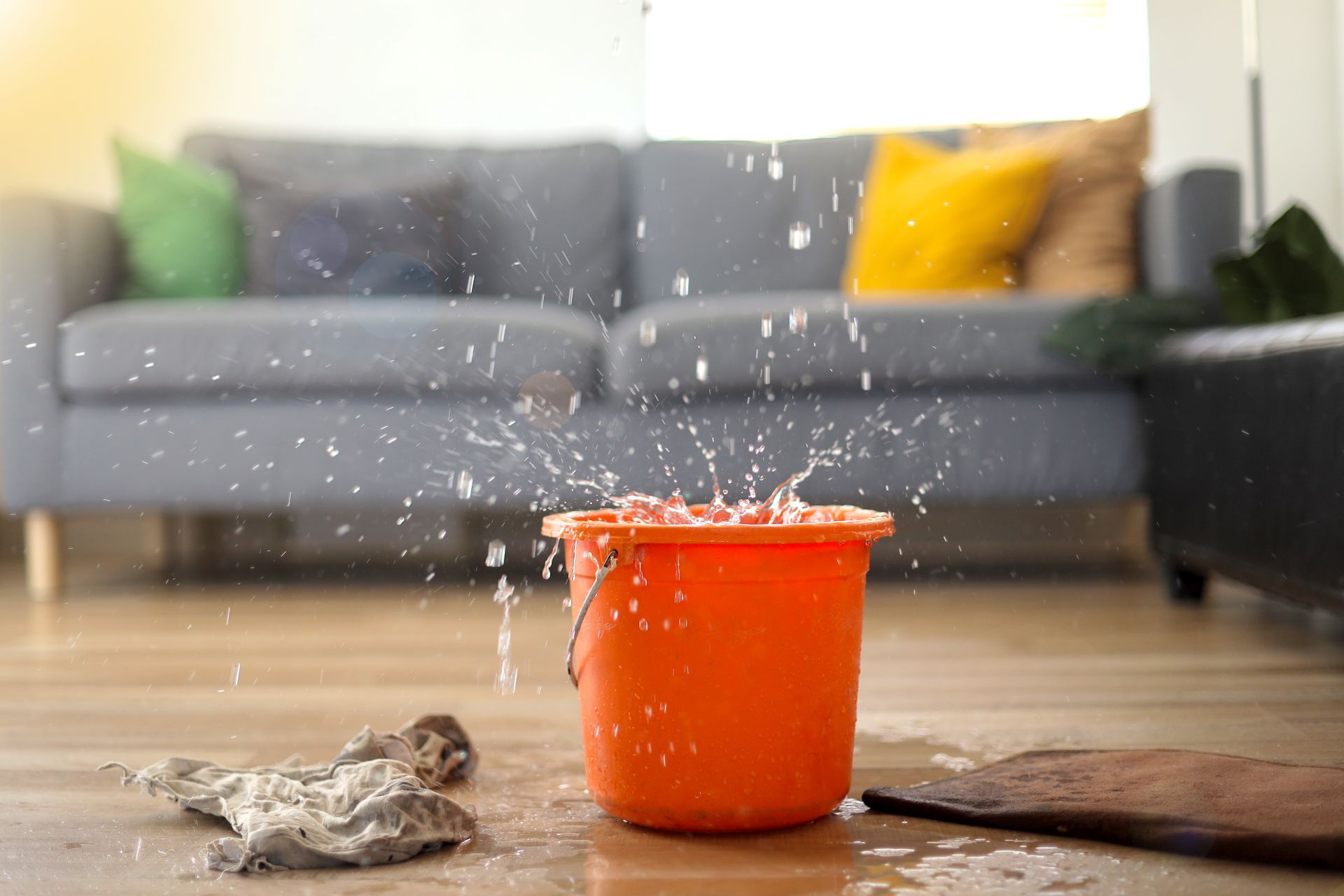
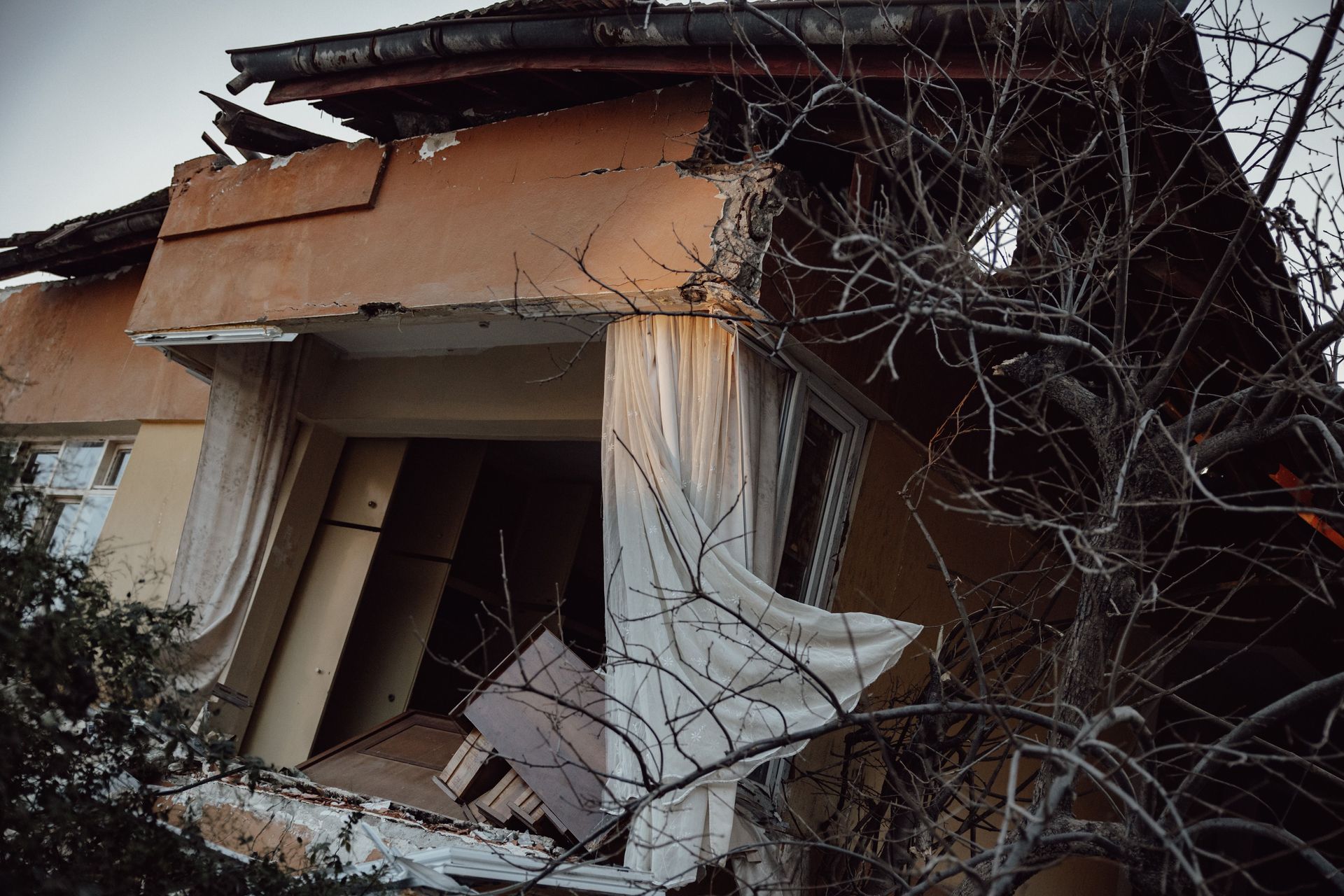
Imagine walking into your living room and seeing a water stain on your ceiling. You might panic and wonder, "Do I need to replace ceiling drywall after a leak?" This question is not just about the cost of repairs. It's also about health and safety concerns.
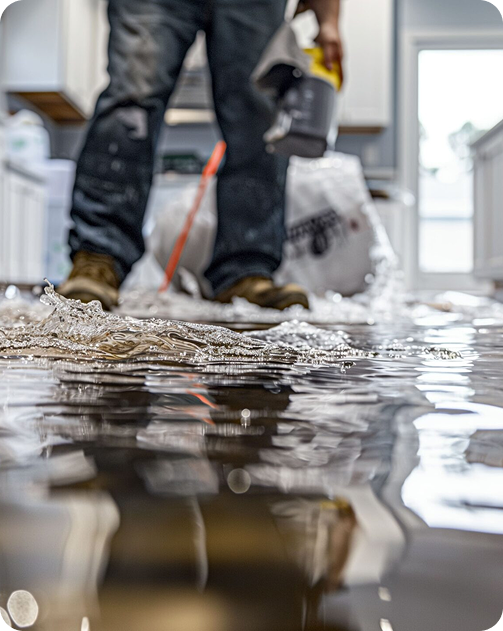
Water damage in homes is more common than you might think. In fact, 70% of homeowners deal with water damage at some point. Leaking pipes and overflowing sinks are common causes. It's urgent to find and fix the leak quickly.
Mold can grow in just 24 to 48 hours after water damage. It's important to turn off power and protect your belongings to prevent more damage. Tools like moisture meters can help find the wettest spots, showing where the leak is.
Small holes can help control the leak and stop it from spreading. Getting professional help is a good idea. They can assess and fix the damage properly, making sure there are no hidden dangers.
Key Takeaways
70% of homeowners experience some form of water damage in their homes, often due to leaks or plumbing issues.
Mold can start to grow within 24 to 48 hours after water exposure.
Water damage and freezing account for approximately 20% of homeowners insurance claims.
38% of homeowners have had to replace drywall due to water damage.
Identifying the source of the leak and fixing it promptly is crucial to prevent further damage.
Identifying a Water Leak in Your Ceiling
Discovering a water leak in your ceiling can be daunting. Knowing the signs of ceiling water damage and its causes can help you address the issue quickly and effectively.
Signs of water damage include water stains, discoloration, bubbling or peeling paint, sagging or warped ceiling, and musty odors. These signs indicate that water has penetrated the drywall and could lead to further damage if not addressed promptly.
Common causes of ceiling leaks include plumbing issues, roof damage, condensation problems, and issues with neighboring units. It's important to look for these causes in pipes, appliances, and gutters above your ceiling.
Consulting Professionals for Diagnosis
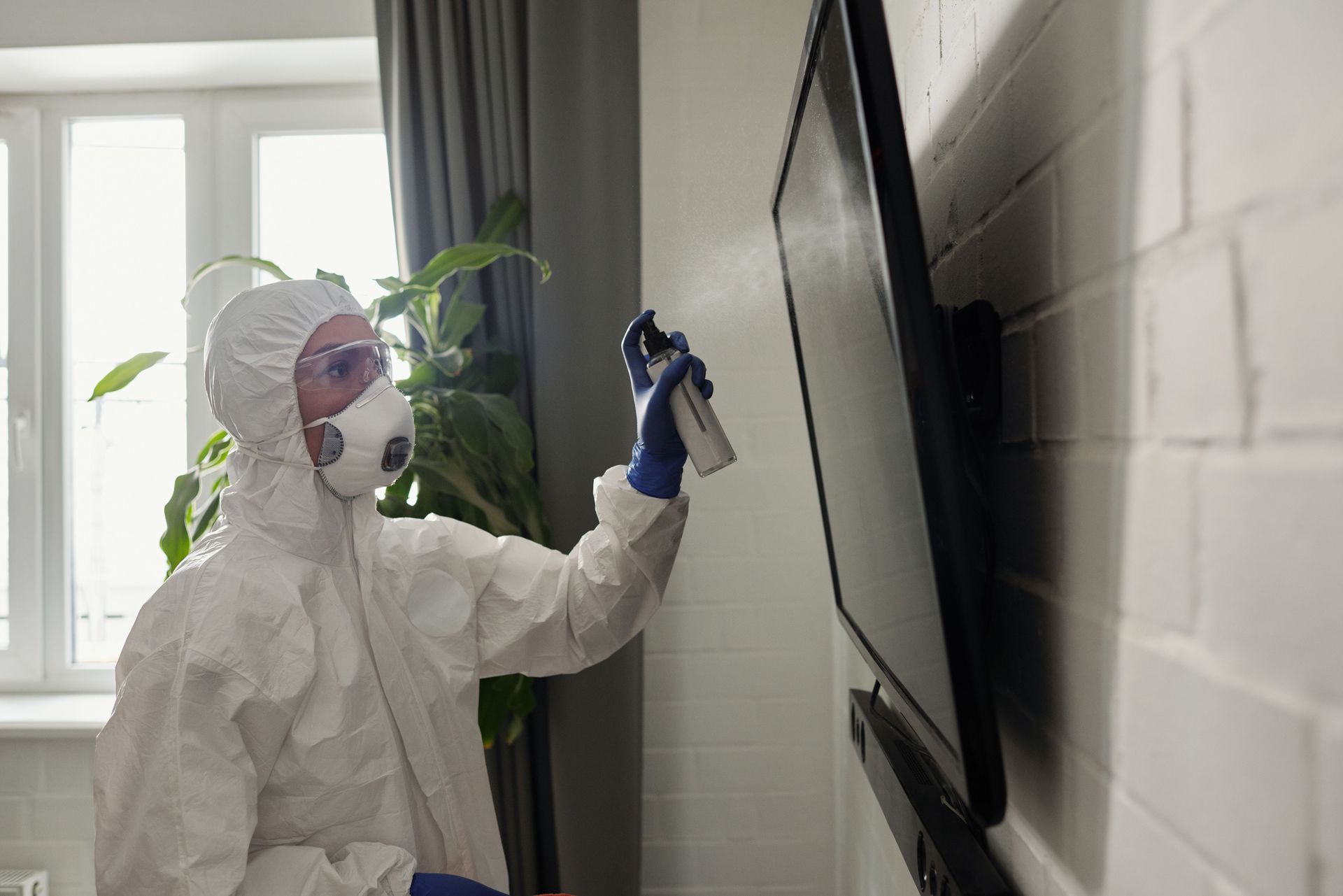
For a full diagnosis and fixing water damage, getting help from pros is best. Companies like Dry First are experts in water damage repair. They check the damage and decide if you need to replace or repair your ceiling.
Fixing water damage quickly, within 24-48 hours, is very important. It helps avoid structural failure and health risks. This shows why getting professional help fast is so crucial.
Reasons to Replace or Repair Ceiling Drywall
Deciding whether to replace or repair ceiling drywall depends on several factors. These include the damage's extent, health and safety, and the ceiling's structural integrity.
Signs like sagging drywall and watermarks show severe water damage. This damage often makes the drywall feel moist or mushy. Moisture meters can help check the extent of water saturation, guiding decisions about whether to repair or replace.
Additionally, water can foster mold growth in drywall. Signs of mold include dark spots or a musty smell. Drywall with mold should be replaced for health reasons.
When water damage compromises a ceiling's structural integrity, replacement is likely necessary. Also, water in the drywall for too long can cause structural damage, leading to higher repair costs.
When to Replace vs. When to Repair
Knowing when to replace ceiling drywall also means looking for signs like water stains and peeling paint. About 70% of homeowners see these signs, with 25% spotting them right away. Those who wait too long face much higher repair costs.
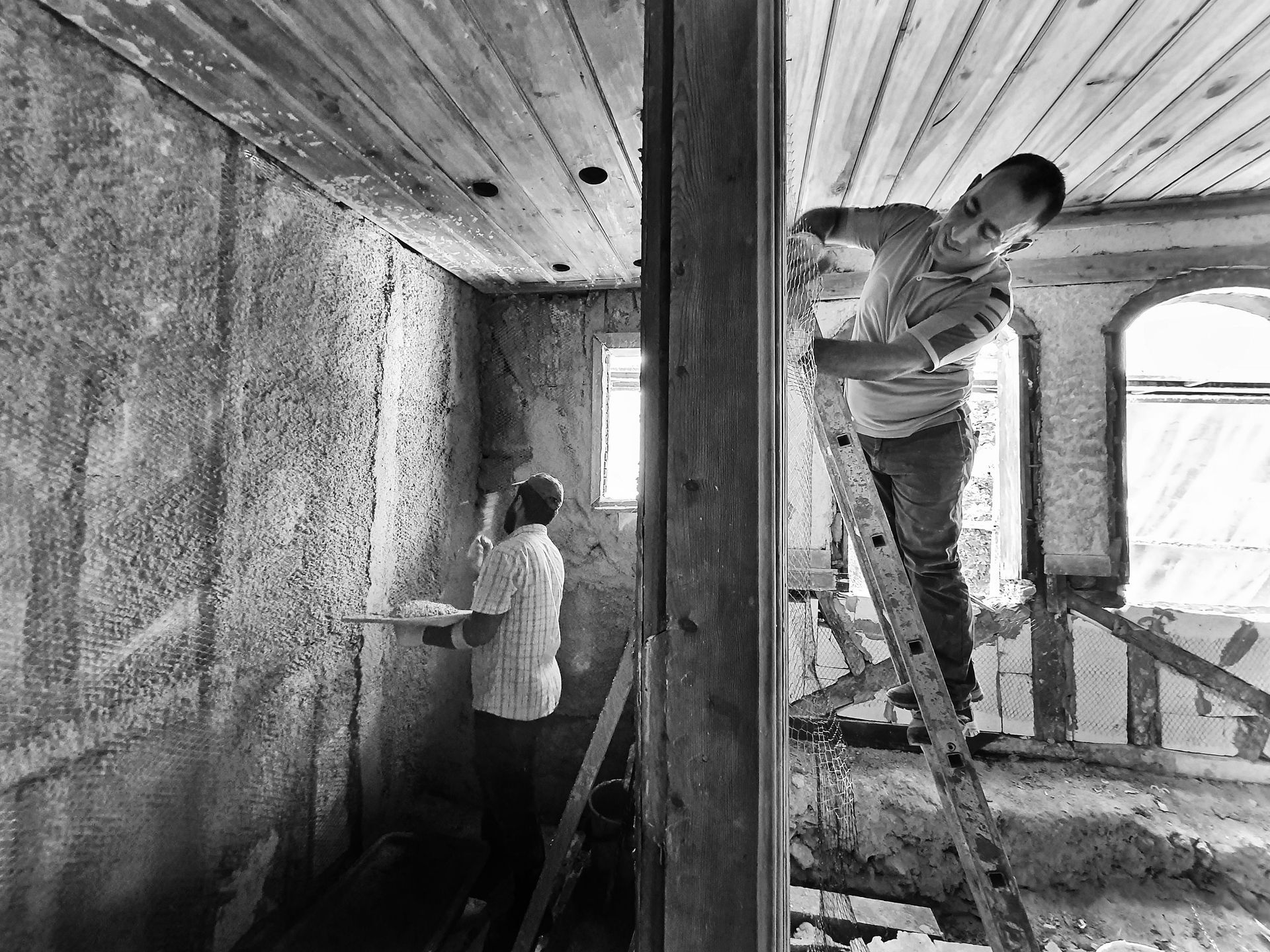
Getting professional help is often needed for big repairs. Professional services can protect your home and even increase its value.
When wondering about fixing drywall after water damage, consider the water type. Category 3 damage, like from toilets, means replacing all porous materials. Category 2 damage, from appliance leaks, might just need deep cleaning. Given these risks, it's wise to talk to a restoration expert to keep your home safe and sound.
Conclusion
Choosing to replace your ceiling after a leak depends on several important factors. These include the water damage's extent, structural integrity concerns, and health hazards.
When ceilings show significant damage, replacement is often the best choice. Visible watermarks and constant leaks also show the need for a thorough fix or replacement. This keeps the ceiling strong and safe.
Homeowners should quickly talk to professionals about fixing their ceilings. These experts make sure repairs or replacements are done right. This protects the ceiling and keeps everyone in the home safe and healthy.