Is Mold from Water Damage Harmful to Your Health?
This is a subtitle for your new post

Mold resulting from water damage is a common occurrence in households and can present a significant risk to your health. This article examines the potential health impacts of mold from water damage and the essential steps you need to take when you discover it.
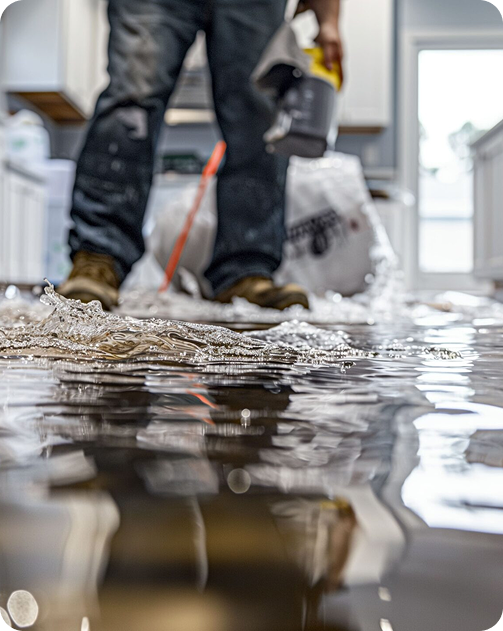
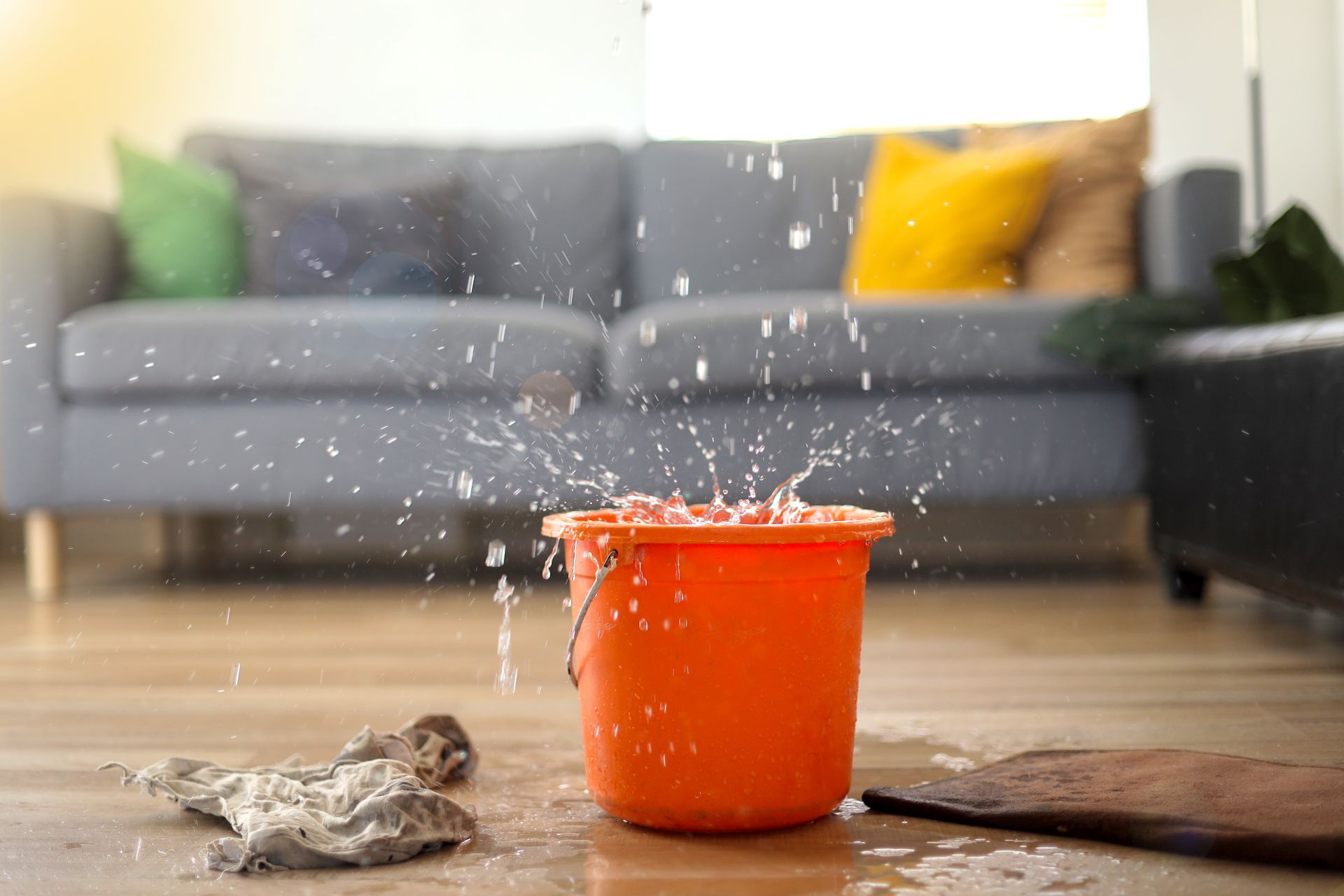
Mold is a type of fungus that thrives in moist environments. When there's water damage in your home, it creates the perfect conditions for mold to grow and spread. This can happen within 24-48 hours of water damage occurring.
Key Takeaways
Mold from water damage can cause a range of health issues, from mild allergic reactions to serious respiratory problems.
People with pre-existing respiratory conditions, allergies, or weakened immune systems are particularly susceptible to mold-related health issues.
Identifying mold in your home early is crucial to preventing health issues and further damage.
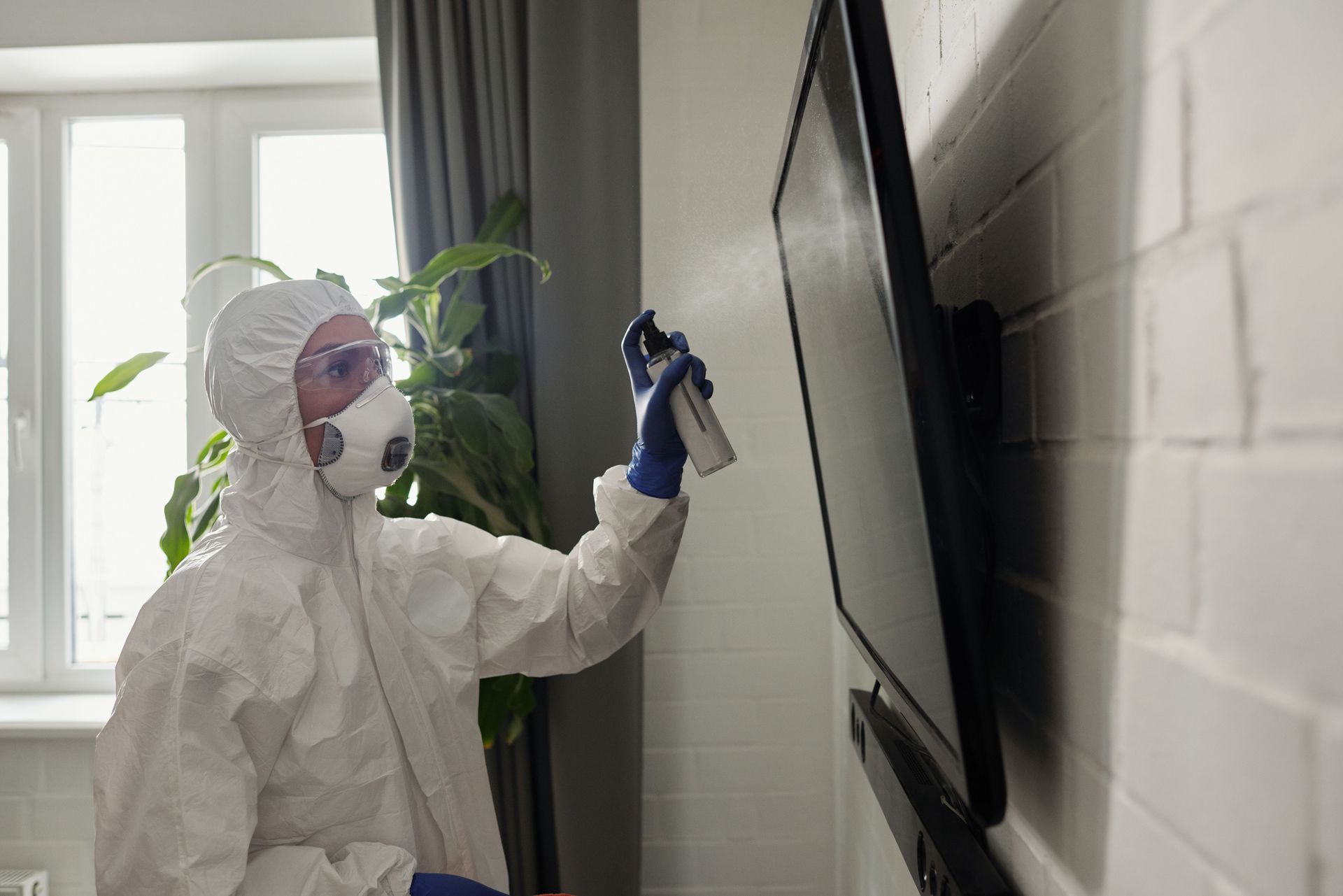
Professional mold remediation is often necessary to completely eliminate mold from your home.
Preventing water damage and maintaining good ventilation in your home are key steps in preventing mold growth.
Understanding Mold and Its Health Effects
Mold is a type of fungus that reproduces through tiny spores that travel through the air. When these spores land on moist surfaces, they can begin to grow into new mold colonies. This process can happen very quickly - within just 24-48 hours of water damage occurring.
Exposure to mold can cause a variety of health effects. These can range from minor symptoms like sneezing and itchy eyes to more severe symptoms like chronic coughing, wheezing, and even infections.
Respiratory Issues from Mold
Mold can significantly impact the respiratory system. When you breathe in mold spores, they can cause inflammation in the airways, leading to symptoms like coughing, wheezing, and shortness of breath.
For people with pre-existing respiratory conditions like asthma or chronic obstructive pulmonary disease (COPD), exposure to mold can make these conditions worse. They might experience more frequent and severe symptoms.
Allergic Reactions
Mold exposure can also trigger allergic reactions. These reactions occur when the immune system identifies mold spores as a threat and mounts a defensive response. Symptoms can include sneezing, itchy eyes, and a runny nose.
For those with mold allergies, exposure can lead to more severe reactions. These might include hives, swelling, and even anaphylaxis, a life-threatening allergic reaction.
Long-Term Health Effects
If mold exposure is not addressed, it can lead to long-term health effects. These can include chronic respiratory problems, continuous allergic reactions, and even neurological issues.
In extreme cases, certain types of mold can produce mycotoxins, which can cause serious health issues, including damage to the liver and immune system. However, these cases are relatively rare and typically occur in buildings with severe mold infestations.
Who is Most at Risk?
While mold can affect anyone, certain groups are more susceptible to the health impacts. These include people with pre-existing respiratory conditions, people with mold allergies, people with weakened immune systems, and the elderly and young children.
If you belong to any of these groups, it's important to take extra precautions when dealing with mold.
Identifying and Dealing with Mold
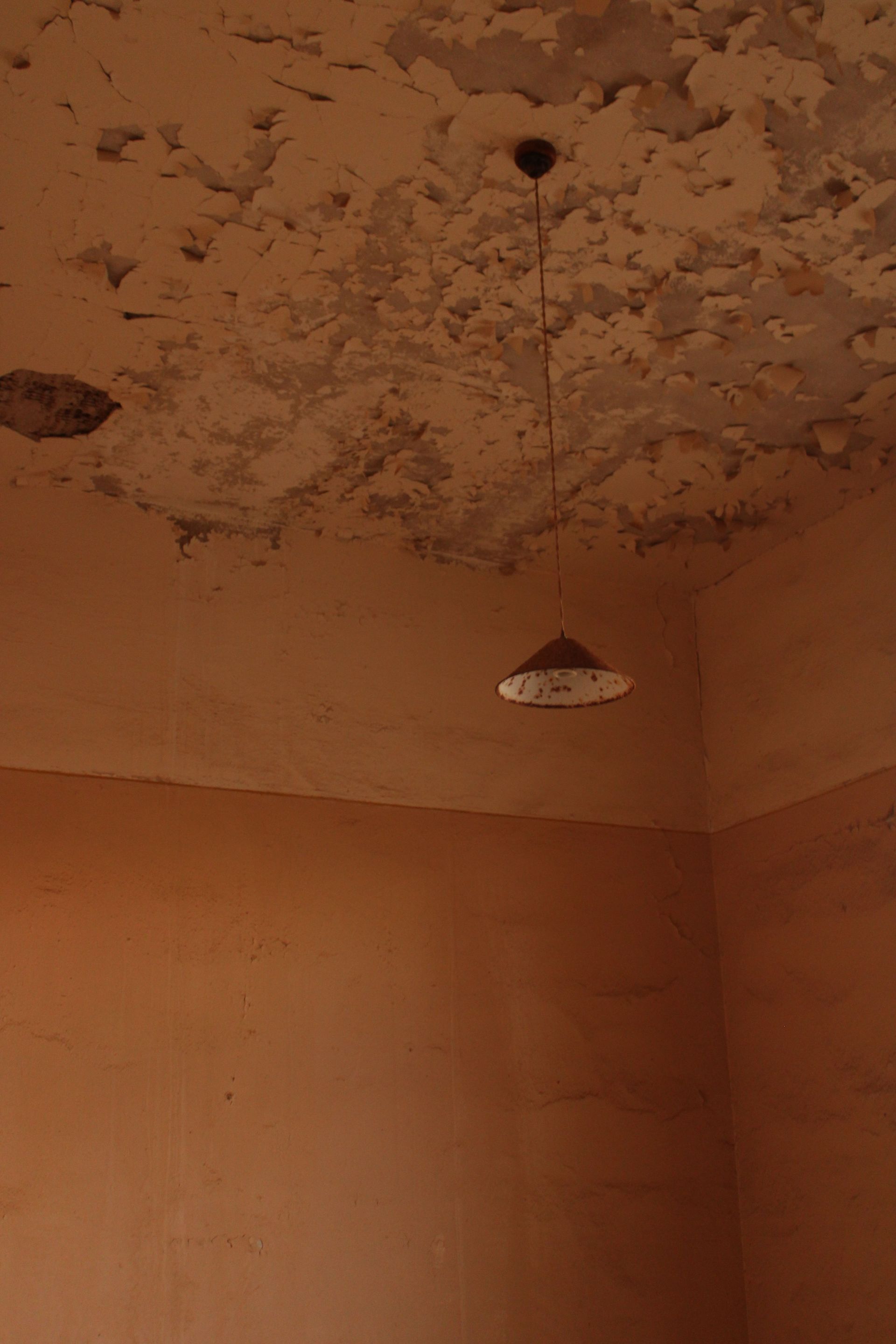
It's important to identify mold in your home as early as possible to prevent health issues and further damage. Mold often appears as dark spots or patches and may have a musty smell.
If you discover mold in your home, it's important to take immediate action. This might involve cleaning up minor mold problems yourself or calling in professional mold remediators for more serious infestations.
Preventing Mold Growth
Prevention is the best approach when it comes to mold. You can prevent mold growth by promptly repairing any water damage, maintaining good ventilation in your home, using dehumidifiers in areas prone to dampness, and regularly inspecting your home for signs of mold.
Conclusion
Mold from water damage can have serious health consequences. However, by identifying it early and taking prompt action, you can protect your health and prevent further damage to your home.
If you're dealing with mold from water damage, don't hesitate to call in professionals. Companies like Dry First are equipped to handle mold remediation, ensuring that your home is safe and healthy for you and your family.