How does fire damage buildings?
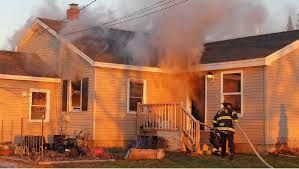
Ever wondered why a fire that firefighters put out can still make a building unsafe? Fire damage isn’t just about the flames and smoke. It affects building materials and how strong the structure is. When a fire starts, saving lives and stopping the fire is the top priority.
But after the fire is out, figuring out how much damage there is and how to fix it is the next big challenge. This is where understanding fire damage effects and the steps for restoration comes in.
Key Takeaways
- Fire incidents prioritize human health and safety, influencing firefighting strategies.
- Structural integrity can be significantly compromised due to burn or heat damage.
- Soot and smoke damage vary based on proximity to fire, ventilation, and materials.
- Firefighting efforts result in water damage, leading to potential mold and staining issues.
- Post-fire restoration requires thorough assessment to distinguish between salvageable and irreparable damages.
Introduction to Fire Damage
Fire damage can cause a lot of harm, from direct damage to buildings to hidden damage from water and chemicals after the fire is out. It’s important to assess the damage before starting to fix it. Knowing how fires affect buildings, furniture, and personal items helps decide how to recover and rebuild.
Every fire is different, so it’s key to check the damage carefully to see how bad it is. Checking the damage to buildings means looking at the structure, the visible damage, and hidden weak spots. This helps in fixing the damage right, making sure people are safe, and knowing what to do first.
- Direct Property Destruction: This includes structural damages, such as weakened walls, compromised roofing, and damaged flooring.
- Post-Extinguishment Damage: After the fire is put out, residual water and chemicals used in firefighting can further deteriorate property conditions.
- Furniture and Personal Belongings: Fire damage can extend to irreplaceable items, emphasizing the need for thorough evaluations and timely restoration.
Fire damage shows up in many ways, and so does its assessment. Finding and checking the damage early helps fix things faster and with less trouble. By understanding how fires affect buildings and personal items, owners and restoration experts can work together to make things right again.
Burn or Heat Damage
Fire damage often leads to burn or heat damage, which is crucial to assess. The heat from a fire can be intense, causing significant damage to structures. This means wooden beams or metal supports might need careful checking before repairs start.
Fixing heat damage is key to recovering from a fire. The goal is to check if materials are safe and up to standard.
Not all materials handle heat the same way in a fire. The fire’s source and strength affect how badly it damages things. So, fixing fire damage requires a detailed plan. It’s important to check the damage well and use the right methods to make sure structures are safe again.
Soot or Smoke Damage
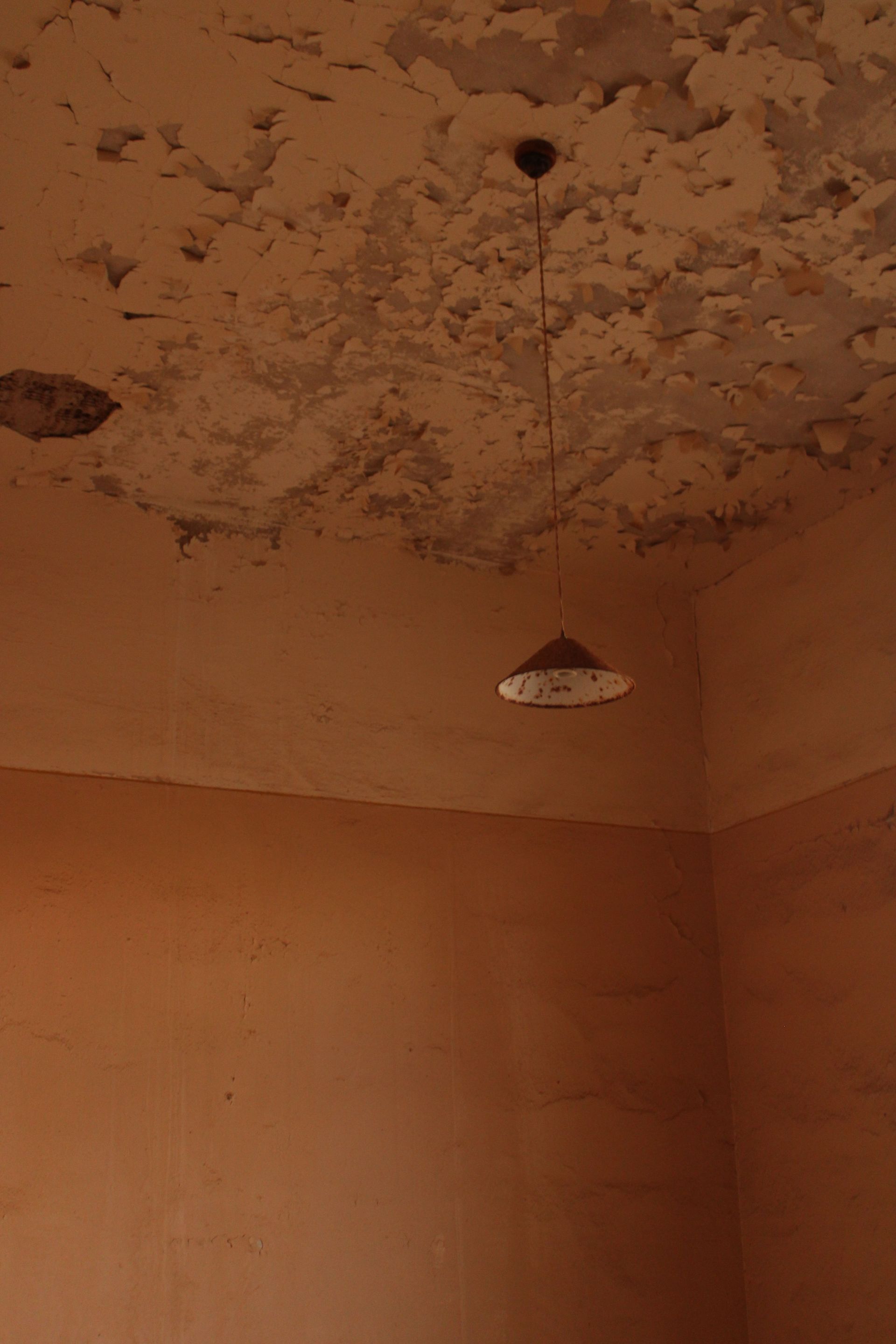
The severity of soot and smoke damage depends on how close objects were to the fire. The fire’s length, the materials burned, and the surfaces hit play big roles in the damage. Smoke can go deep, affecting many layers and leaving a strong smell.
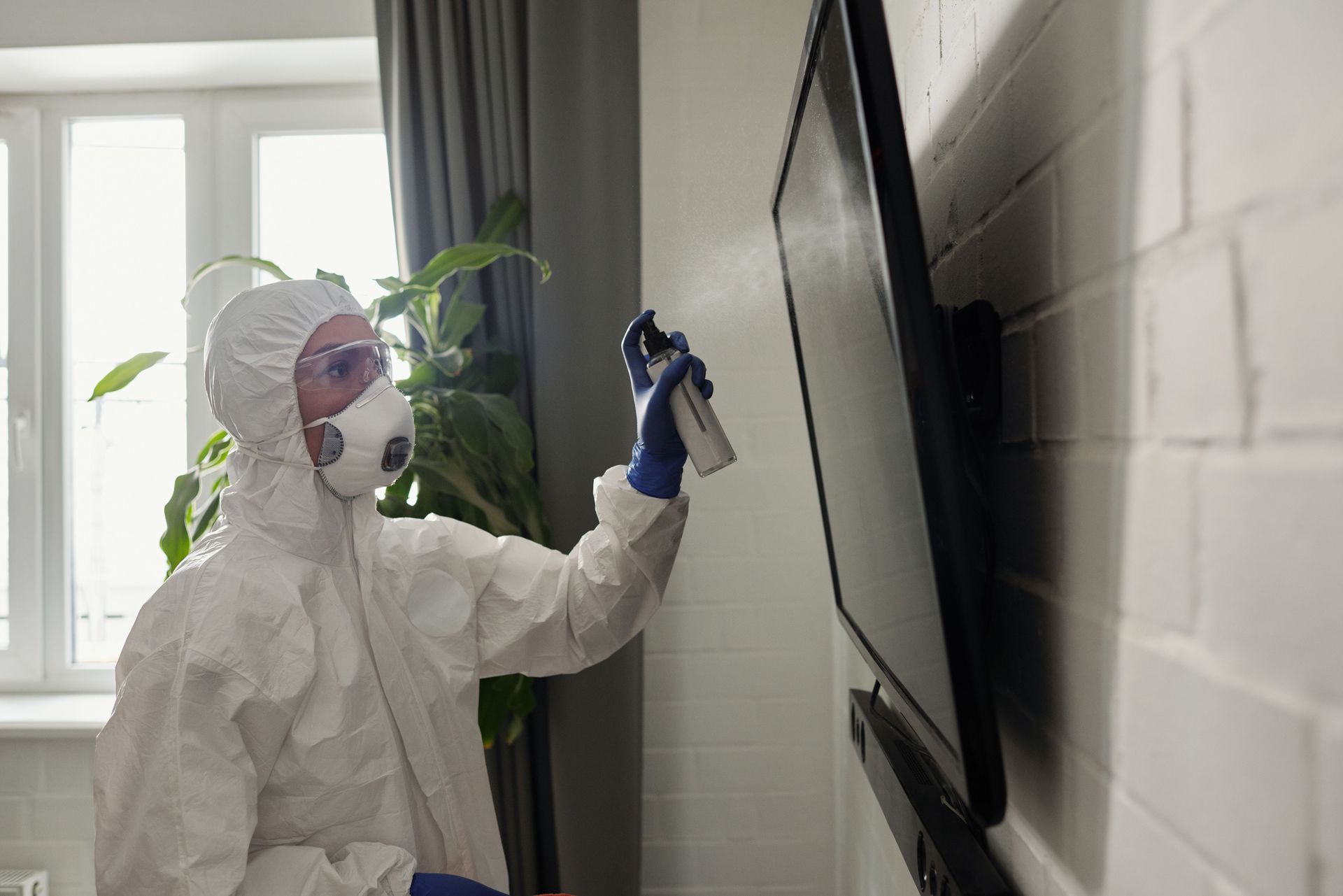
For smoke damage restoration, special techniques are needed. Dealing with soot damage is complex.
Water Damage from Firefighting Efforts
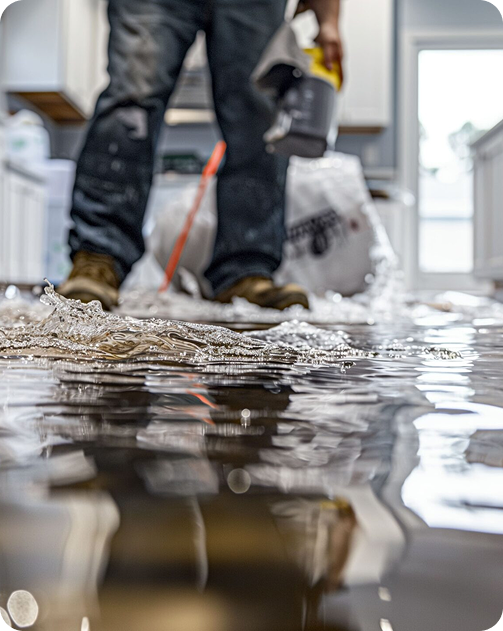
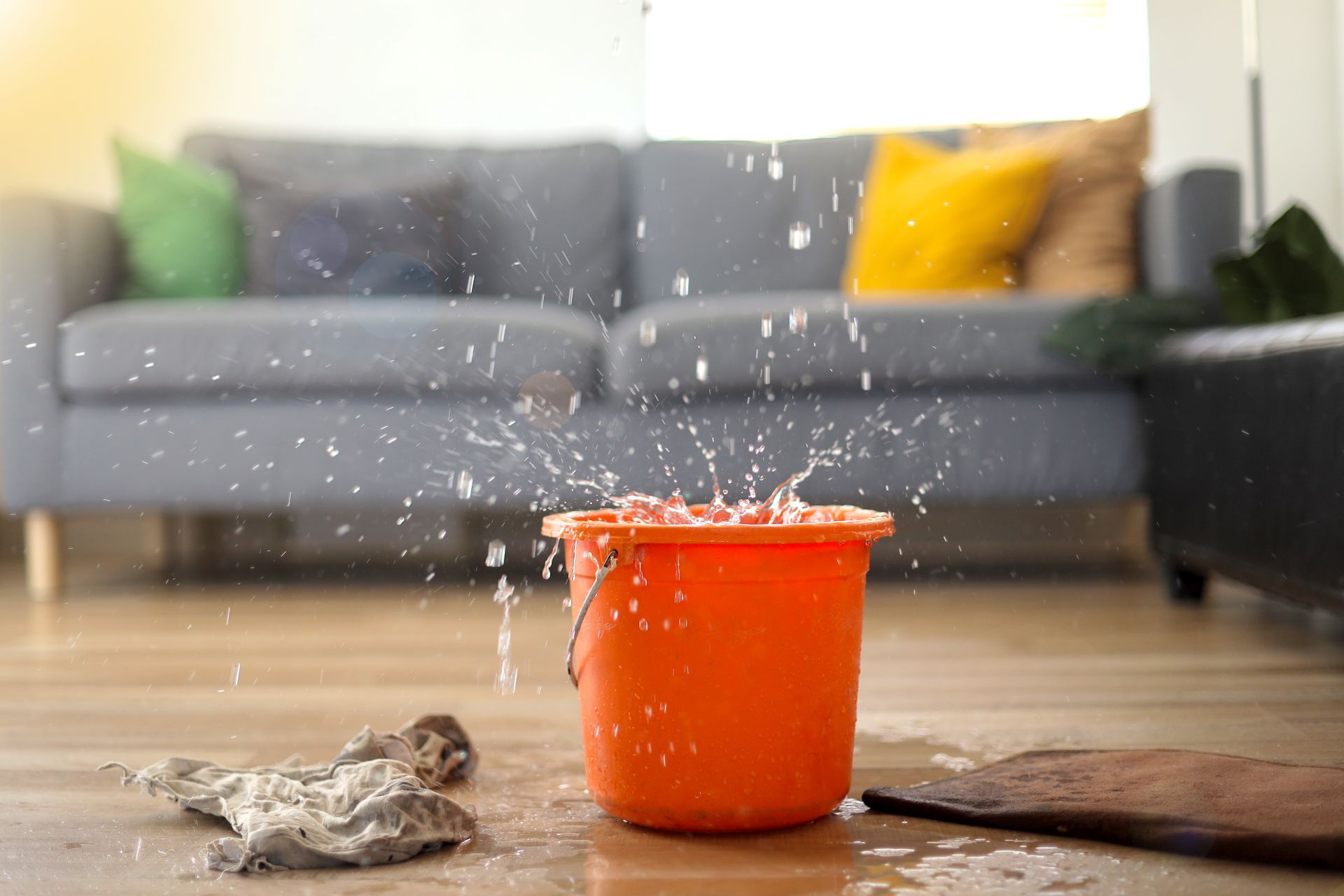
When firefighters put out fires, they often cause water damage to buildings. Water gets into materials like drywall and wood, making them weak. This firefighter water damage needs quick water damage repair to stop more harm.
Firefighting makes buildings wet, leading to moisture that can cause mold. It’s key to stop this moisture to keep a place healthy and safe. Preventing mold after fire is crucial for a good living space and to avoid long-term damage.
Not all materials get damaged the same way by water. Some, like drywall, might need to be replaced. But harder materials like stone and brick can be cleaned and fixed. Using special cleaning products and techniques can help fix these materials fast.
Fixing water damage from firefighting also helps stop mold. Quick and thorough water damage repair keeps buildings safe and healthy. With the right restoration methods, buildings can be made safe again quickly after a disaster.
Factors Influencing Fire Severity
Fire severity is shaped by several key factors that affect the damage caused by a fire. The size of the fire is a major factor, as it relates to the heat and energy released. Bigger fires usually cause more damage and increase fire damage risks.
The amount of fuel available also plays a big role. What materials are near the fire can make it grow. Fires spread easily near things that can burn, like wood. It’s important to manage these materials to prevent fires from getting worse.
Oxygen levels are crucial for fire intensity. Fires need oxygen to keep burning, and lots of oxygen makes fires worse. Managing airflow can help control how severe a fire gets.
How long a fire burns is also important. Fires that burn for a long time can do a lot of damage. Quick action is key to reducing damage and controlling fires.
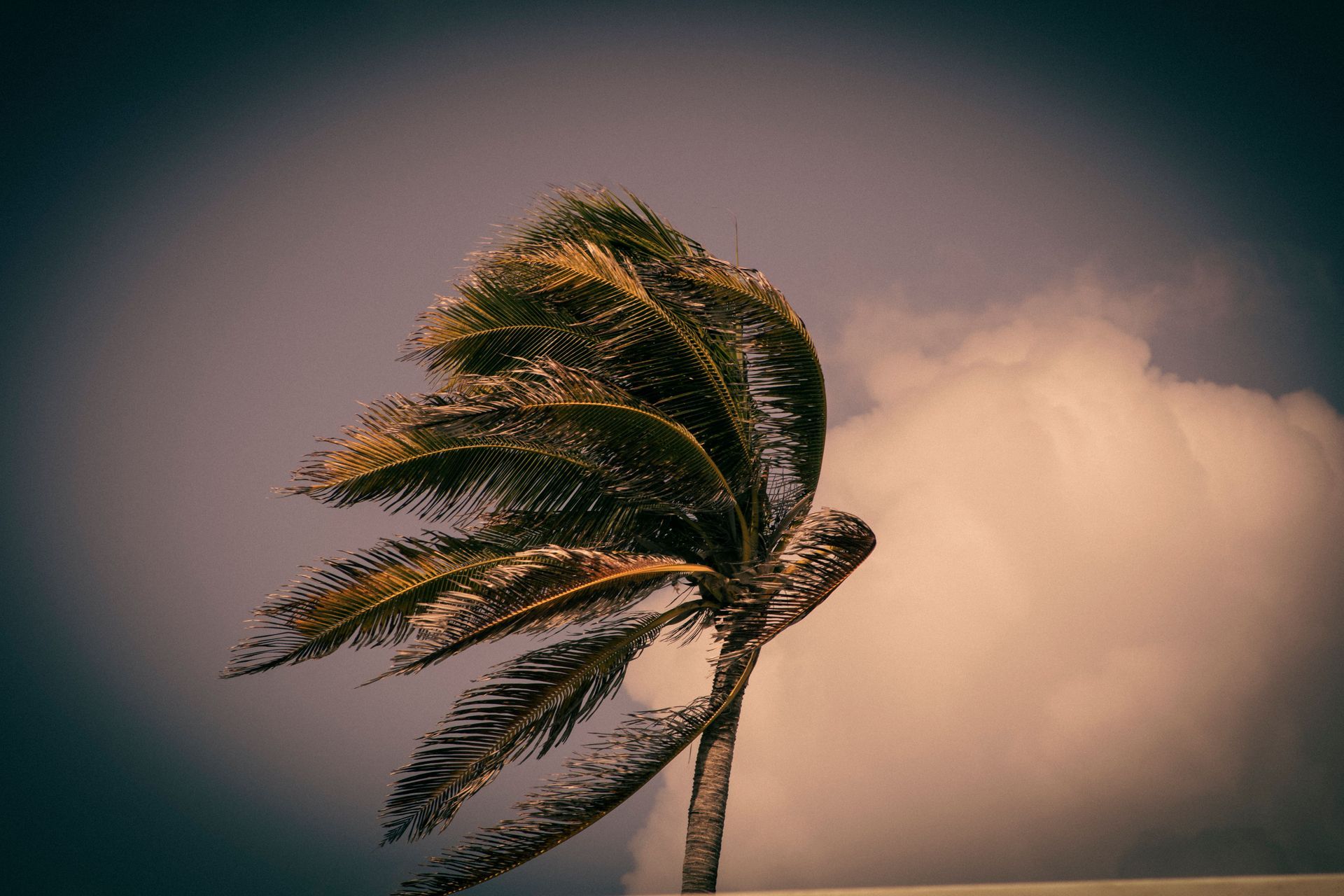
Weather, like droughts and strong winds, can make fires worse. Fires spread fast in dry conditions, and strong winds can spread embers far. This makes fighting fires harder.
Knowing these factors helps communities and firefighters get ready and act fast. It’s important to take steps before fires start and stay alert, especially when fires are more likely to spread.
How Does Fire Damage Buildings?
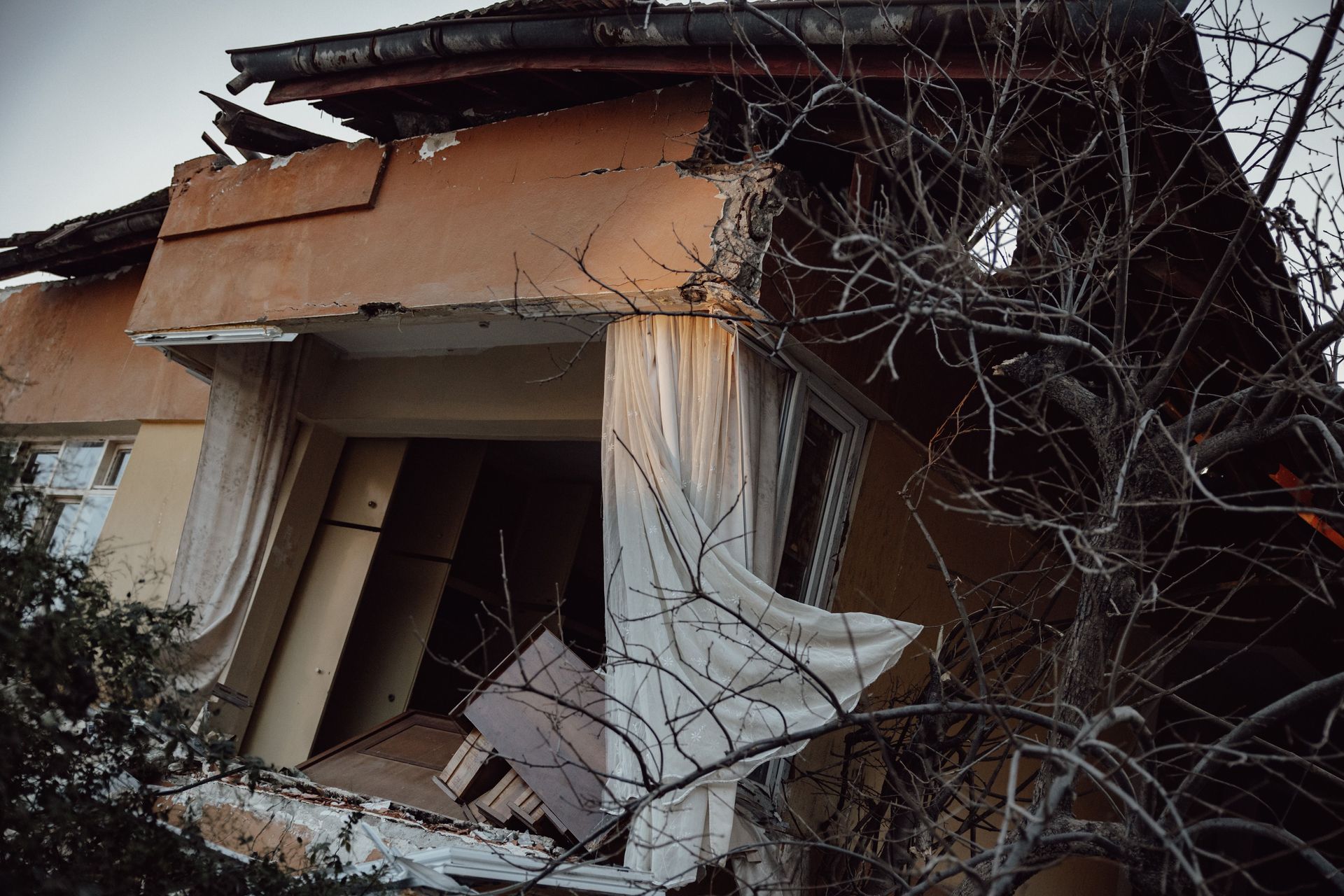
Fire can severely damage buildings, making them less safe. Experts look closely at this damage with detailed reports. These reports help plan how to fix or rebuild the damaged areas, showing the cost of repairs.
Both homes and businesses need careful checks after a fire. For homes, experts look at structural damage and risks to personal items. In businesses, they check on damaged goods and important equipment, which affects how the business runs.
Fire safety is key in these checks. It means fixing damage from fires and taking steps to stop future fires. These detailed checks make sure all fire damage is dealt with, helping places recover safely.
Negative Effects of Fire on Humans
Fires have a big impact on human health and wellbeing. They can cause serious health problems like bronchitis and asthma. People may also get injured from burns, which are a common and serious issue.
Fires also affect people’s minds. Survivors often feel stressed, anxious, and depressed. These feelings can last even after the danger is gone. They need help to get through this tough time.
- Immediate respiratory conditions such as bronchitis and asthma due to smoke inhalation.
- Severe burns and other fire-related injuries that may necessitate extensive medical treatment.
- Emotional impact of fire, including trauma, stress, and anxiety disorders.
- Financial burdens associated with medical bills and property repair or replacement.
- Long-term displacement and the struggle to rebuild homes and businesses.
It’s vital to get out safely during fires and get the right medical and mental help. Taking care of these health issues after fires helps people recover and get back to their lives.
Conclusion
Fire damage does more than just harm buildings. It affects people’s health and the whole community. Burn damage, soot, and water from fighting the fire make things worse. It’s important to understand these effects to see how big the problem is and how hard recovery will be.
Working together to prevent fires can really help. By learning about what makes fires worse and how they affect people, we can build safer communities. This helps us deal with fires better and recover faster.
Looking closely at the damage after a fire is key to fixing things right. Working with experts helps us fix and rebuild safely and well. As we work together to rebuild, keeping fire safety in mind is crucial for a safer future for all.