Does drywall need to be replaced after smoke damage?

May 11, 2026

Did you know smoke inhalation is the top cause of death in fires? Drywall often gets hit hard by smoke damage. It’s a porous material that can stain, discolor, and smell bad. It can also release toxins that harm air quality and health.

Many homeowners wonder if they should fix or replace drywall after a fire. It’s important to know how deep the soot is and what kind of smoke it is. This helps decide if the drywall needs to be replaced.


Key Takeaways

  • Smoke damage can cause staining, discoloration, and foul odors in drywall.
  • Porous drywall often absorbs toxins that can impact air quality and health.
  • Professionals stress the need for a thorough check of drywall for signs like discoloration, soot, and smells to determine the extent of damage.
  • Replacement of smoke-damaged drywall may be necessary when the structure is compromised or when smells and stains are too deep to clean out.
  • Professional smoke damage restoration services can effectively clean smoke, assess damage, and deodorize to make drywall look new and ensure safe indoor air quality.


Understanding the Effects of Smoke on Drywall

Drywall is a porous material that easily absorbs smoke particles. This can lead to discoloration, bad smells, and long-term air quality problems. The damage’s severity and type depend on the smoke’s nature.


High-temperature fires, like those involving wood and paper, produce dry smoke. This smoke leaves a powdery residue that can deeply penetrate and cause a lot of damage. On the other hand, low-heat fires that burn plastic and rubber produce wet smoke. This smoke leaves a sticky black residue that can rust and corrode metal, making repairs hard.


Protein smoke, often from kitchen fires, might not stain surfaces but can discolor paint and leave a strong smell. Fuel fires can cause serious damage to fabrics and other soft materials.


Checking for smoke damage involves looking for discoloration, soot, and strong smells. It’s important to know how deep the smoke has gone to choose the right fix. If the damage is too deep, just cleaning might not work, and you might need to replace the drywall.


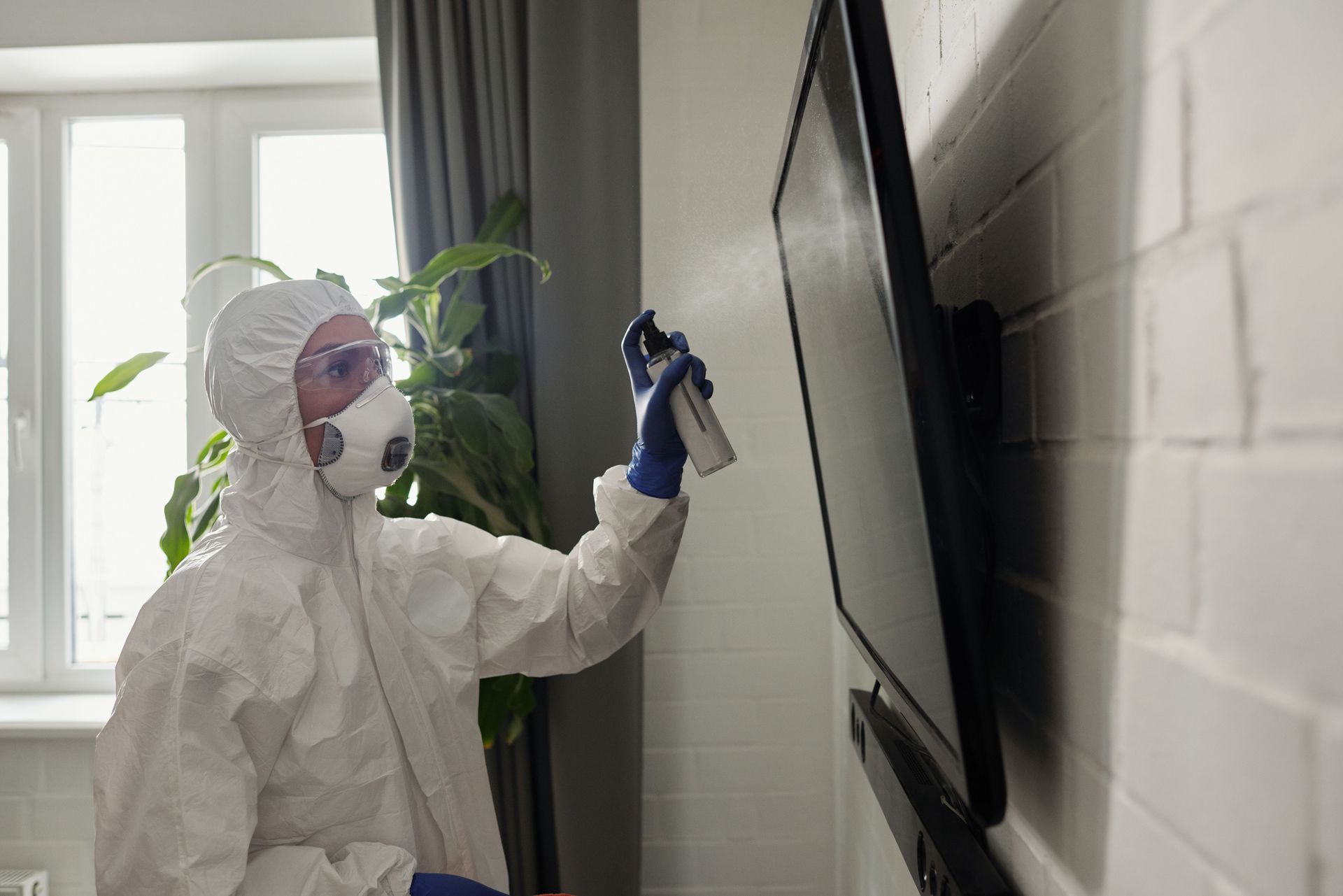
Experts say to fix smoke damage quickly. The Institute of Inspection Cleaning and Restoration Certification (IICRC) says to act fast, especially with porous materials. Cleaning smoke damage often requires special techniques, like using chemical sponges and trisodium phosphate (TSP), to get rid of odors and residues. It’s also important to wear protective gear and ensure good ventilation while cleaning.


Determining the Need for Drywall Replacement vs Repair

When deciding if you should repair or replace drywall after smoke damage, it’s important to evaluate carefully. Experts look at soot, discoloration, and smells to make their decision. Sometimes, just cleaning and sealing can fix minor damage.


But if the damage is severe, like if the drywall is broken or smells bad even after cleaning, you might need to replace it. This is especially true if the area was near the fire or got a lot of smoke. Replacing the drywall helps get rid of harmful particles that can affect the air you breathe.


  • Moisture can make damage worse, fire-damaged drywall often needs to be replaced to avoid more problems.
  • Signs like drywall becoming brittle, peeling, or crumbling mean it’s time for new drywall, especially after a fire.
  • Smells that won’t go away and hidden damage are good reasons to replace drywall after a lot of smoke.


Choosing between repair and replacement depends on several things. The cost, health risks from toxins, and how safe and long-lasting the fix is are all important. About 30% of the time, experts say it’s safer and healthier to replace the drywall completely.


Water damage, like swelling, warping, and stains, often means you need to replace the drywall. Experts say if the drywall is sagging or feels soft, it’s unstable and could be dangerous. In these cases, replacing it right away is best.


If you’re not sure what to do, talking to professionals is a good idea. They can give you advice based on how bad the damage is. They consider the cost, safety, and long-term benefits. In about half of the cases where smoke damage needs to be cleaned up, experts recommend they handle it because of the dangers of soot.


Effective Cleaning Methods for Smoke-Damaged Drywall

Cleaning smoke-damaged drywall is key to getting it back to normal. First, vacuuming loose soot is a must to stop further mess. A vacuum with a HEPA filter catches tiny particles, keeping the air clean.


After vacuuming, experts use special cleaners for drywall. These cleaners get deep into the material, removing tough smoke and soot. They cover all stained areas to get ready for deodorizing.


Deodorizing is a big part of cleaning, as smoke smells can stick around. Experts use agents that get rid of these smells deep in the drywall. This makes the drywall look better and the air healthier.


While some people try to clean it themselves, pros do a better job. They know how to clean smoke-damaged drywall right, using the right products and following safety rules. If the damage is too much, they might need to replace the drywall.


It’s also important to check for damage like cracks or stains. Knowing what kind of damage there is helps them clean it right. Using things like tri-sodium phosphate (TSP) can help get rid of smoke smells in fabrics too.


Taking the time to clean smoke-damaged drywall well makes your home look and feel better. It’s a good idea to get help from professionals for the best results. They can do a thorough cleaning or replace the drywall if needed.


Conclusion

Choosing between professional drywall replacement or DIY repair depends on the smoke damage’s severity. Experts can tell if the damage can be fixed or if a full replacement is needed. This decision helps keep the structure safe and the air clean.


For minor smoke damage, cleaning and restoration can work. Using dry cleaning sponges and the right cleaning agents helps remove soot and odors. But, if the damage is too much, replacing the drywall is safer and more durable.


It’s important to know how smoke affects materials and use the right cleaning methods. While small damage can be fixed, big damage needs a professional’s touch. This ensures the home is safe, looks good, and is healthy for everyone living there.
May 12, 2026
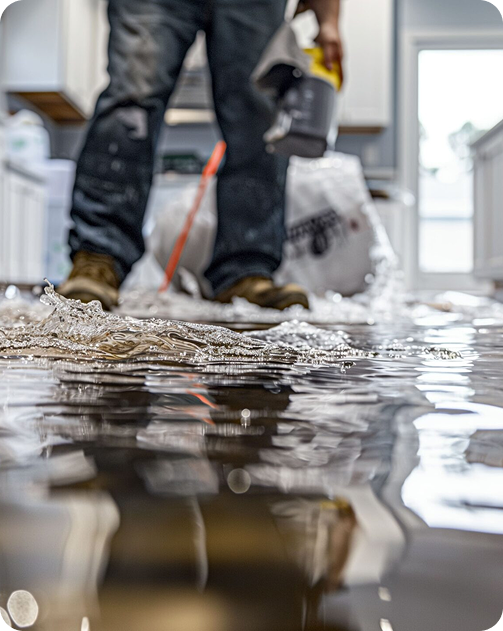
Sleeping in a water-damaged home may expose you to mold, contaminated materials, unstable structure, and electrical hazards—especially when moisture hides in walls and floors. Learn how severity affects safety, key risks, first steps to reduce exposure, and when professional drying and restoration should happen before
May 12, 2026
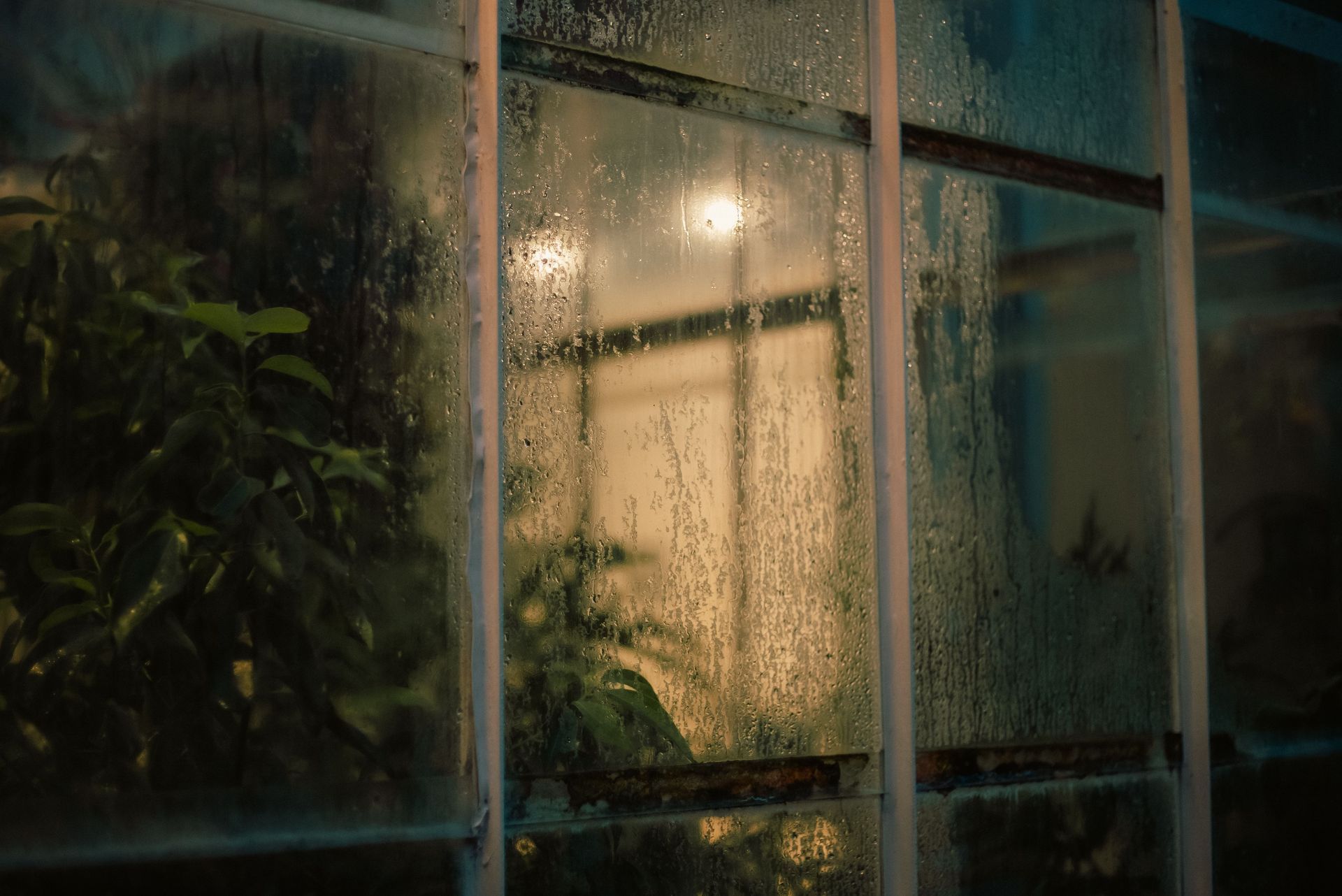
Mold can begin in 24–48 hours after flooding, so fast water removal and drying matter. Learn typical dehumidifier timelines (often 24–72+ hours), what slows drying, how fans and commercial units help, and best practices to stabilize humidity and protect your home.
May 12, 2026
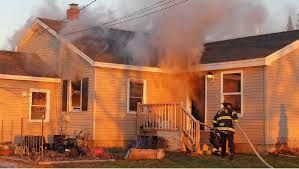
A fire’s aftermath isn’t only charring—heat weakens framing, soot and smoke penetrate surfaces, and firefighting water can drive mold and hidden deterioration. Learn how damage is assessed, what makes fires more severe, health impacts, and why professional restoration starts with a thorough inspection.
May 12, 2026
House restoration brings a property back to its original period look—repairing structure, windows, woodwork, and finishes with historically accurate materials while protecting architectural integrity. Explore benefits, common projects, restoration vs. renovation, and why authenticity matters for older American homes.
May 11, 2026
Did you know water can weaken a ceiling in just a few hours? Knowing when water damage starts is key. The time it takes for a ceiling to collapse depends on the material, leak size, and humidity. For example, big leaks can make a ceiling fall suddenly. This is very dangerous. The time it takes for a ceiling to dry out varies. It can be a few days or weeks, depending on the material and humidity. It’s very important to act fast. Quick action can stop damage and prevent mold. Key Takeaways The time for water to damage a ceiling can range from a few hours to a few days, influenced by factors like the extent of the leak and humidity levels. Complete drying of a ceiling may take several days to weeks after a leak, depending on severity and material. Severe leaks can cause sudden ceiling collapse, posing significant safety hazards. Quick identification and containment of leaks are crucial to prevent structural damage and mold. Older ceilings with asbestos materials can pose health risks if they collapse due to water damage. Understanding the Impact of Water Damage on Ceilings Water damage can severely harm ceilings. It can cause materials to deteriorate and lose strength. It’s important to spot ceiling damage early to avoid bigger problems. Homeowners should watch for signs of ceiling collapse. Look for sagging, water stains, mold, and a musty smell. Drywall and plaster are especially at risk because they soak up water fast. The effects of water damage go beyond just looks: Water-damaged ceilings can be dangerous, risking collapse and injury or death if not fixed fast. They can also become mold and mildew breeding grounds, causing health issues and allergies. Water damage can weaken your home’s structure, leading to cracks, warping, and rotting. Moisture encourages mold growth, worsening health problems and damage. Ignoring damage can make repairs much more costly over time. Given these risks, it’s crucial to tackle water damage quickly. This helps keep your ceiling strong. For big problems, getting help from water damage experts is a good idea. Ceiling Collapse Timeline Figuring out when a ceiling might collapse due to water damage depends on several factors. These include the building’s age, construction quality, past maintenance, and how much water got in. Often, a water-soaked ceiling can fall apart in months or a few years if not fixed. Other issues like foundation problems, weak beams, or too much insulation can make a ceiling collapse sooner. Knowing the signs of a ceiling about to collapse is key. Look out for sagging, cracks, water spots, or mold. These signs mean trouble and can predict when a ceiling might collapse. For example, sagging ceilings often mean water damage from leaks or bad plumbing. This makes it urgent to act fast. The materials used and their quality also play a big role. Stronger materials and good upkeep can hold up longer against water damage. But, weaker materials will break down quicker with leaks. As water weakens the ceiling, the risk of collapse grows. Regular checks and upkeep, especially in older buildings, can lower the risk of ceiling collapse. Owners and renters should watch for signs like peeling paint or drafts. Fixing these problems quickly can help keep the ceiling safe for longer. Preventing Ceiling Collapse from Water Damage Preventing ceiling collapse from water damage is possible with quick action and regular maintenance. Water damage can show up in hours to days. Mold, harmful to health, can grow in 48 hours if moisture stays high. Use dehumidifiers and ensure good air flow to reduce moisture. Check areas like attics and basements often for water damage. It’s smart to check your roof for damaged shingles that can leak. Regular roof checks, twice a year, can stop big problems. Slow leaks and plumbing issues like sweating pipes can also cause damage. Fixing plumbing and ensuring bathroom seals are tight can help prevent leaks. In case of water damage, turn off the main water and call a plumber. Secure the area and let water drain through a small hole. Drying the area, usually in 24 to 48 hours, is key to avoiding ceiling collapse. By following these tips, homeowners can keep their homes safe and avoid expensive repairs. Conclusion Knowing why ceilings collapse from water damage is key to stopping it early. Rain, bathroom leaks, and roof damage are common culprits. Spotting signs like water stains and cracks is crucial for quick action. Water damage can ruin ceilings and walls and even cause mold. Mold can grow fast, leading to health issues. Fixing leaks quickly and drying areas fast is vital to avoid these problems.
May 11, 2026
Stop mold before it spreads: fix leaks, improve ventilation, run exhaust fans, and control humidity. Learn when DIY cleanup works versus calling pros with proper equipment—and get mold removal and remediation help from DryFirst across Orlando, Merritt Island, Kissimmee, Melbourne, and Cocoa Beach.
Hiring a Water Damage Restoration Service in Orlando
May 11, 2026
After floods or leaks, fast professional water cleanup limits structural harm and mold risk. Dry First explains extraction, drying with air movers and dehumidifiers, antimicrobial treatment, debris removal, insurance documentation, and certified crews—serving Orlando, Cocoa Beach, and Melbourne, Florida.
The Basics of Water Damage Restoration in Brevard County
May 11, 2026
Professional water damage restoration from inspection and extraction through structural drying, sanitizing, mold remediation, and repairs—helping protect your home from hidden mold and further damage. Serving Orlando, Cocoa Beach, Melbourne, Palm Bay, and Brevard County; call DryFirst.
May 11, 2026
Black mold needs more than bleach—target spores and moisture with proper drying, containment, and professional biocide treatment. Compare natural cleaners, typical remediation costs, exposure symptoms, required safety gear, and expert removal from DryFirst in Merritt Island and Brevard County.

Mold Removal and Remediation
By Michelle Snyman May 11, 2026
Mold removal focuses on clearing visible growth; mold remediation adds moisture control, containment, cleaning, and prevention so mold doesn’t return. Learn how each process works, how they differ, and how to choose the right approach for your property.